Common Fly Fishing Mistakes Beginners Make on the Bow River (And How to Fix Them)
The Bow River has a reputation for humbling even experienced anglers. Its crystal-clear waters, technical currents, and wary trout population create a learning curve that catches many newcomers off guard. I’ve watched countless beginners make the same preventable errors on this legendary Alberta fishery, mistakes that turn a promising day into an exercise in frustration.
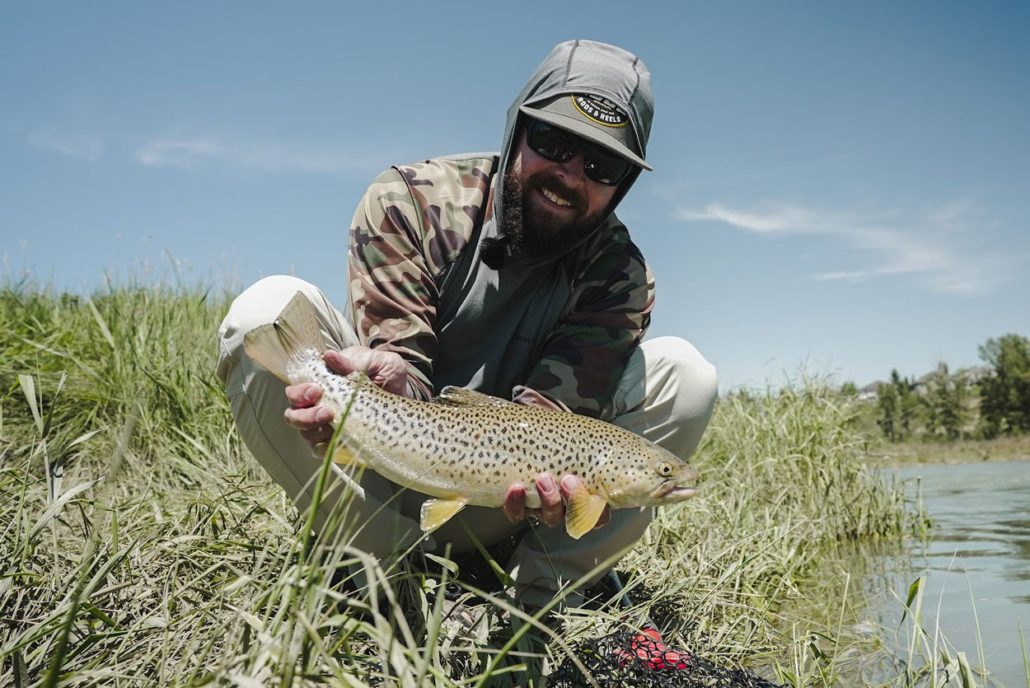
The good news? Most common fly fishing mistakes beginners make on the Bow River stem from a handful of correctable habits. Understanding why these errors matter on this specific waterway makes all the difference. The Bow isn’t forgiving of sloppy technique, but it rewards anglers who take time to learn its rhythms. Wild rainbow and brown trout averaging 16 to 20 inches demand precision, patience, and proper preparation.
What follows represents hard-won knowledge from years of guiding and fishing these waters. When you’re trying to figure out why the Bow keeps defeating you, these fixes will transform your success rate. The river’s reputation as one of North America’s premier trout fisheries exists for good reason, and with the right approach, you can experience what makes it so special.
Mastering the Drift: Overcoming Poor Line Management
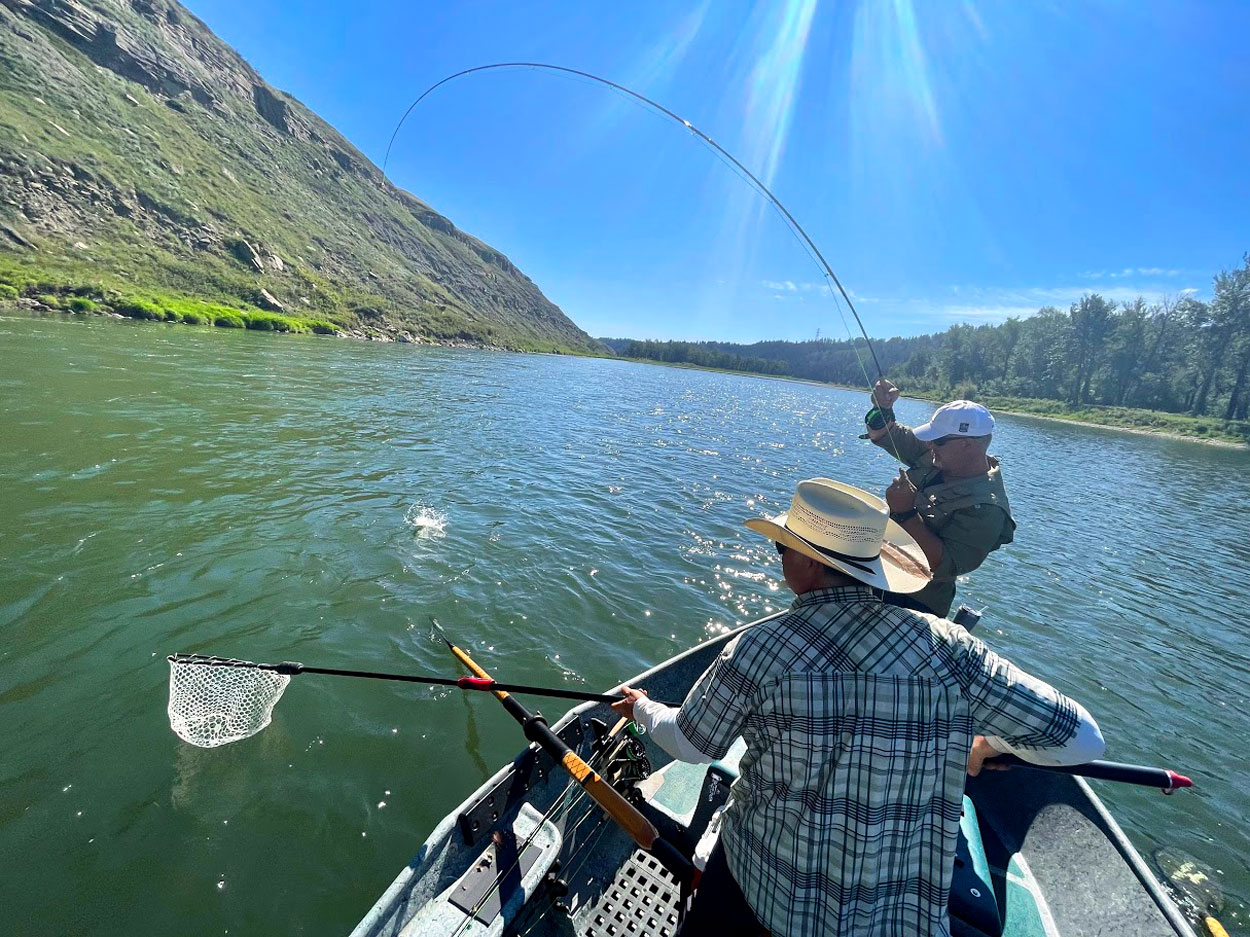
Line management separates successful Bow River anglers from those who spend more time untangling than fishing. The river’s complex currents create multiple speed zones within a single cast, and your fly line responds to every one of them. Poor line control means your fly behaves unnaturally, and trout notice immediately.
The fundamental problem most beginners face involves allowing too much slack to accumulate while simultaneously fighting drag they didn’t anticipate. This creates a lose-lose situation where you can’t set the hook effectively and your presentation looks nothing like natural food drifting downstream.
Correcting Constant Drag on the Bow’s Fast Currents
Drag occurs when faster or slower currents pull your fly line and leader, causing your fly to move across the current rather than with it. On the Bow, this happens constantly because the river features dramatic speed variations between main channels, seams, and slower edges.
The fix requires repositioning your body and adjusting your casting angle. Instead of casting directly across fast water to reach a target, wade to a position where you can present your fly with minimal line crossing conflicting currents. Shorter casts with better angles outperform long casts that cross multiple current speeds every time.
Reach casts help tremendously here. By reaching your rod tip upstream or downstream during the cast, you place your line in a position that delays drag. Practice this technique on slower water before attempting it during your Bow River trip.
The Importance of Mending Upstream Early
Mending after drag has already started is like closing the barn door after the horse escapes. The key involves mending immediately after your fly lands, before the current has time to create problems. An upstream mend repositions your line so the fly continues drifting naturally.
Watch your indicator or dry fly closely during the first three seconds after landing. If you see any unnatural movement, mend again. On the Bow’s faster runs, you might mend three or four times during a single drift. This feels excessive at first, but it becomes automatic with practice.
Stack mending works well in particularly challenging spots. Instead of one large mend, make several small upstream mends in quick succession. This keeps your fly in the strike zone longer without the violent line movement that can spook nearby fish.
Rigging Failures and Depth Miscalculations
The Bow River ranges from shallow riffles barely covering your ankles to pools exceeding ten feet. Fishing the same rig everywhere guarantees you’ll miss fish in most water types. Beginners often stick with one setup because changing feels complicated, but this single habit costs more fish than almost any other mistake.
Trout hold at specific depths based on water temperature, food availability, and current speed. Your flies need to reach those depths quickly and stay there throughout the drift. Getting this wrong means your presentation passes harmlessly above feeding fish.
Adjusting Indicators for Deep Pools and Fast Riffles
The general rule suggests setting your indicator at 1.5 times the water depth, but the Bow’s varying current speeds require constant adjustment. In fast water, you need more distance between indicator and flies because the current pushes your rig toward the surface. Slow pools allow closer spacing.
Many beginners set their indicator once and never touch it again. Successful Bow River anglers adjust every time they move to new water. Carry a small tool for quick indicator repositioning, and don’t hesitate to make changes mid-session.
Indicator size matters too. Large, buoyant indicators suspend heavy nymph rigs but create more surface disturbance. In clear, calm water, downsize to a smaller indicator even if it occasionally submerges. The tradeoff between visibility and stealth favors subtlety on pressured water.
Choosing the Right Weight and Split Shot Placement
Split shot placement affects drift quality more than most anglers realize. Weight positioned too close to your flies creates an unnatural sinking motion. Placed too far up the leader, it fails to get your patterns into the feeding zone.
For most Bow River nymphing, position your primary weight 8 to 12 inches above your point fly. This allows the flies to drift slightly behind and below the weight, mimicking how natural insects tumble along the bottom. In extremely fast water, add a smaller shot closer to the flies for faster sink rates.
Tungsten beadhead flies reduce the need for external weight while maintaining a more natural profile. Consider using heavier flies in your point position and lighter patterns as droppers. This creates a natural-looking presentation while achieving the necessary depth.

Approach and Stealth Near the Riverbank
The Bow’s clarity works against impatient anglers. Trout can spot movement from remarkable distances, and once spooked, they stop feeding for extended periods. Many beginners walk right up to the water’s edge, announce their presence to every fish within fifty feet, and then wonder why nothing bites.
Your approach begins long before you make your first cast. Parking location, walking path, and wading technique all influence whether fish remain calm and feeding or scatter to deeper water.
Avoiding ‘Spooking’ Large Rainbows in the Shallows
The Bow’s large rainbows frequently feed in surprisingly shallow water, especially during morning and evening hours. These fish feel vulnerable and remain hyperalert to threats. Your silhouette against the sky, shadows crossing the water, and vibrations from heavy footsteps all trigger flight responses.
Approach from downstream whenever possible. Fish face into the current, so approaching from behind keeps you in their blind spot. Stay low, move slowly, and avoid sudden movements. If you spot a feeding fish, stop immediately and plan your cast before moving closer.
Wade carefully and quietly. Each step should be deliberate, with your foot placed gently rather than splashing down. The gravel bottom transmits vibrations surprisingly well, and experienced trout associate those vibrations with danger.
Misreading Bow River Water and Trout Lies
Understanding where trout hold transforms random casting into targeted fishing. Beginners often focus on the most visually appealing water while ignoring subtle features that actually concentrate fish. The Bow offers countless holding spots, but learning to identify the best ones dramatically improves efficiency.
Trout balance three needs: food access, protection from current, and safety from predators. The best lies provide all three. Learning to read water means identifying where these factors converge.
Identifying Seams, Foam Lines, and Tailouts
Seams form where fast and slow water meet, creating a conveyor belt of food along a comfortable current speed. These edges often appear as visible lines on the surface where water textures change. Fish the slow side of seams, casting your fly into the fast water and letting it drift into the feeding zone.
Foam lines indicate where surface currents converge, concentrating floating insects and debris. The old saying “foam is home” holds true on the Bow. Follow foam lines with your eyes and you’ll often spot rising fish or identify prime holding water.
Tailouts deserve more attention than most beginners give them. These gradually shallowing areas at the bottom of pools offer excellent feeding opportunities, especially during hatches. Trout feel relatively safe in the deeper water behind them while accessing food drifting through the shallows. The Sheep River, located about 45 minutes south of Calgary, offers similar tailout structures on a smaller scale, making it excellent practice water for reading these features.
Inadequate Gear Preparation and Fly Selection
Showing up to the Bow River with the wrong flies or inappropriate tackle creates unnecessary handicaps. This fishery demands specific patterns matched to local insect populations and equipment capable of handling powerful, hard-fighting trout. Preparation before your trip determines much of your success.
Matching Local Hatches: Stoneflies, Caddis, and Hoppers
The Bow’s insect calendar differs from other trout rivers, and local patterns consistently outperform generic alternatives. Golden stoneflies emerge in late June and July, creating explosive surface action. Caddis hatches occur throughout summer, with peak activity during evening hours. Terrestrial patterns, particularly hoppers and beetles, become essential from July through September.
Carry nymph patterns in multiple sizes for each major insect group. San Juan Worms, Pat’s Rubber Legs, and various pheasant tail variations cover most subsurface situations. For dry fly fishing, stock Stimulators, Elk Hair Caddis, and foam hoppers in sizes 8 through 14.
The Highwood River, approximately 90 minutes southwest of Calgary, shares many insect species with the Bow but sees less pressure. Fishing there helps you learn local hatch patterns without the competition found on the main river. Cutthroat and bull trout in the Highwood respond to similar fly selections.
The Necessity of Strong Tippet for Hard-Fighting Wild Trout
Bow River trout fight harder than their hatchery counterparts elsewhere. These wild fish make powerful runs, use current to their advantage, and test every connection in your system. Beginners often lose trophy fish to tippet failures that stronger material would have prevented.
Use 2x-4x fluorocarbon for most nymphing situations depending on your fly sizes. The fluorocarbon’s abrasion resistance and lower visibility justify its higher cost. For dry fly fishing in clear conditions, you may need 4x or 5x again, depending on your bug sizes. We use nylon tippet for dry flies but you can use fluorocarbon without any issues. Don’t go lighter than necessary. A 20-inch rainbow will break even 2x tippet if you can’t control the fight.
Check your tippet frequently for wind knots and abrasion. Replace any section that shows damage. The Oldman River, about two hours south near Lethbridge, offers similarly powerful brown and rainbow trout that provide excellent practice managing strong fish on appropriate tippet.
Improper Fish Handling and Catch-and-Release Ethics
The Bow River’s world-class fishery exists because of strict catch-and-release regulations and proper fish handling. Every angler shares responsibility for protecting this resource. Poor handling practices kill fish that appear to swim away healthy, gradually degrading the population that makes this river special.
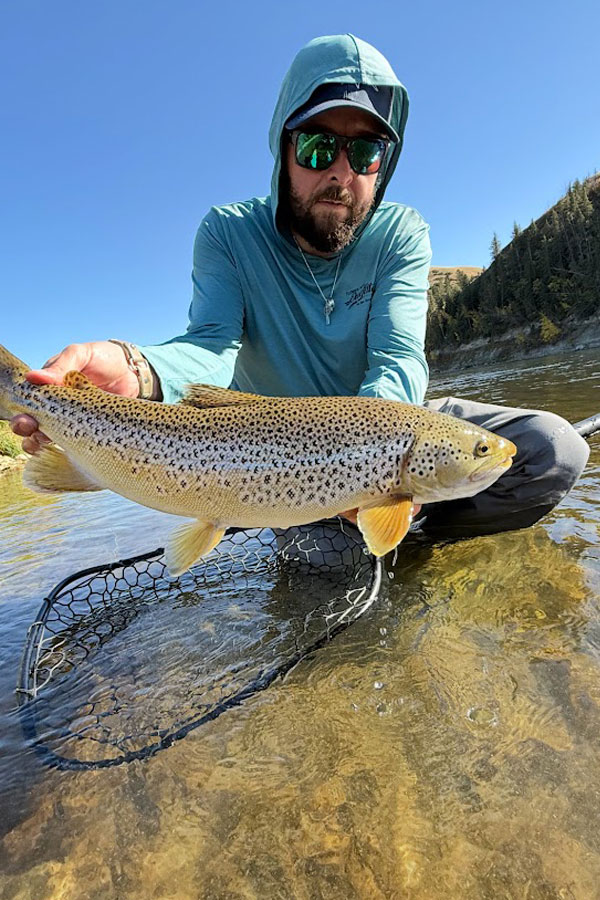
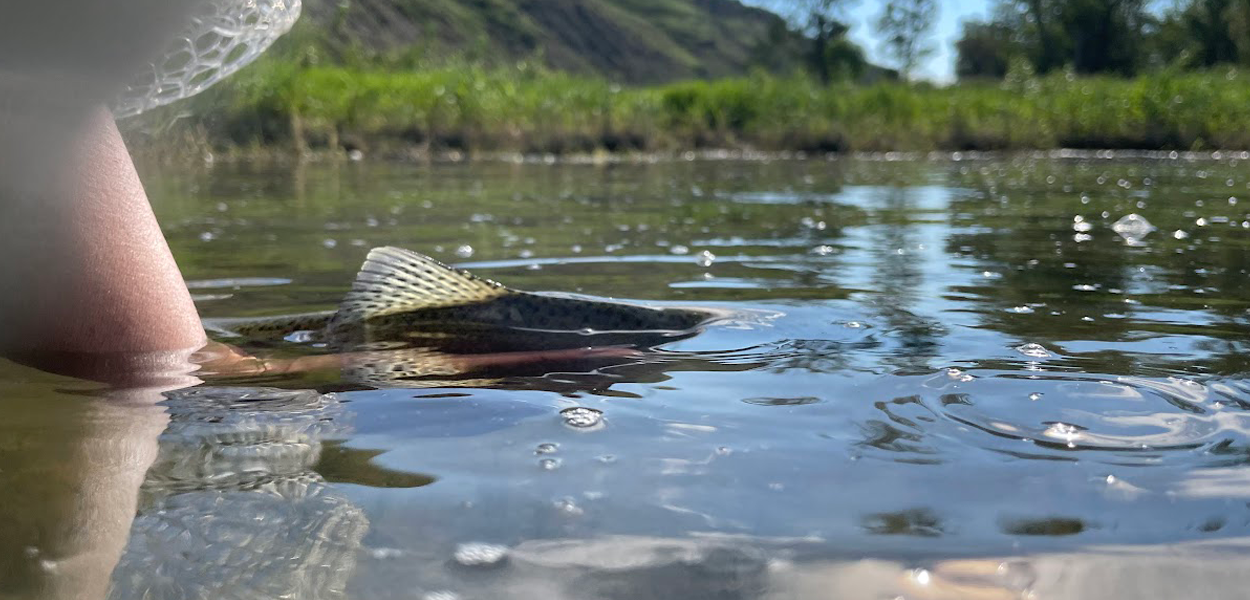
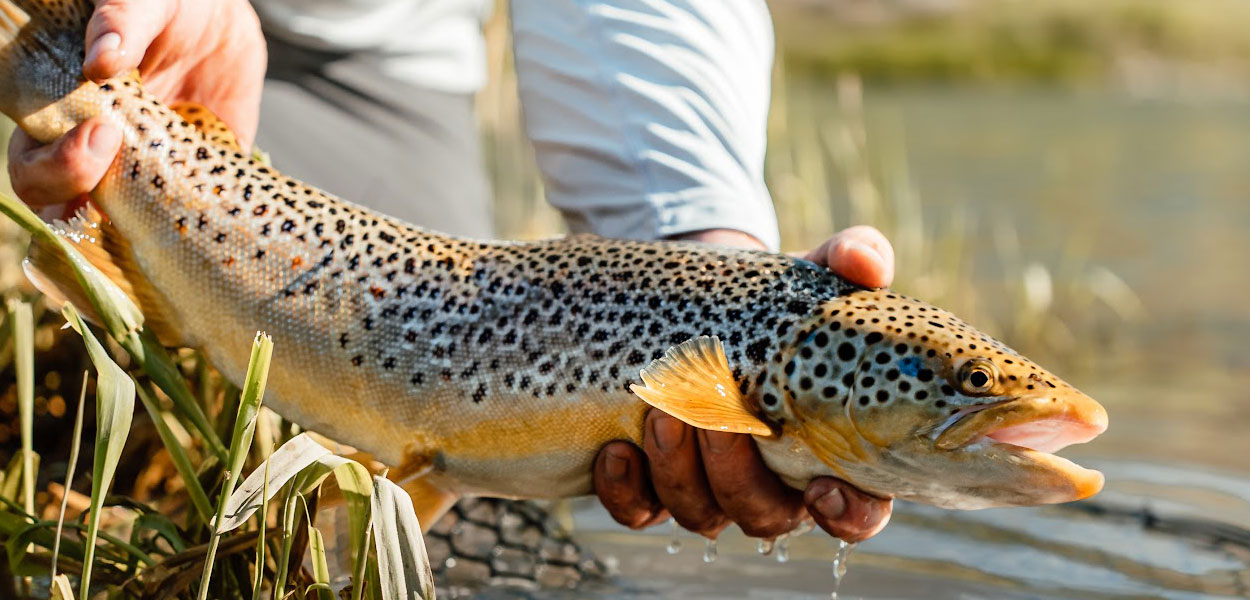
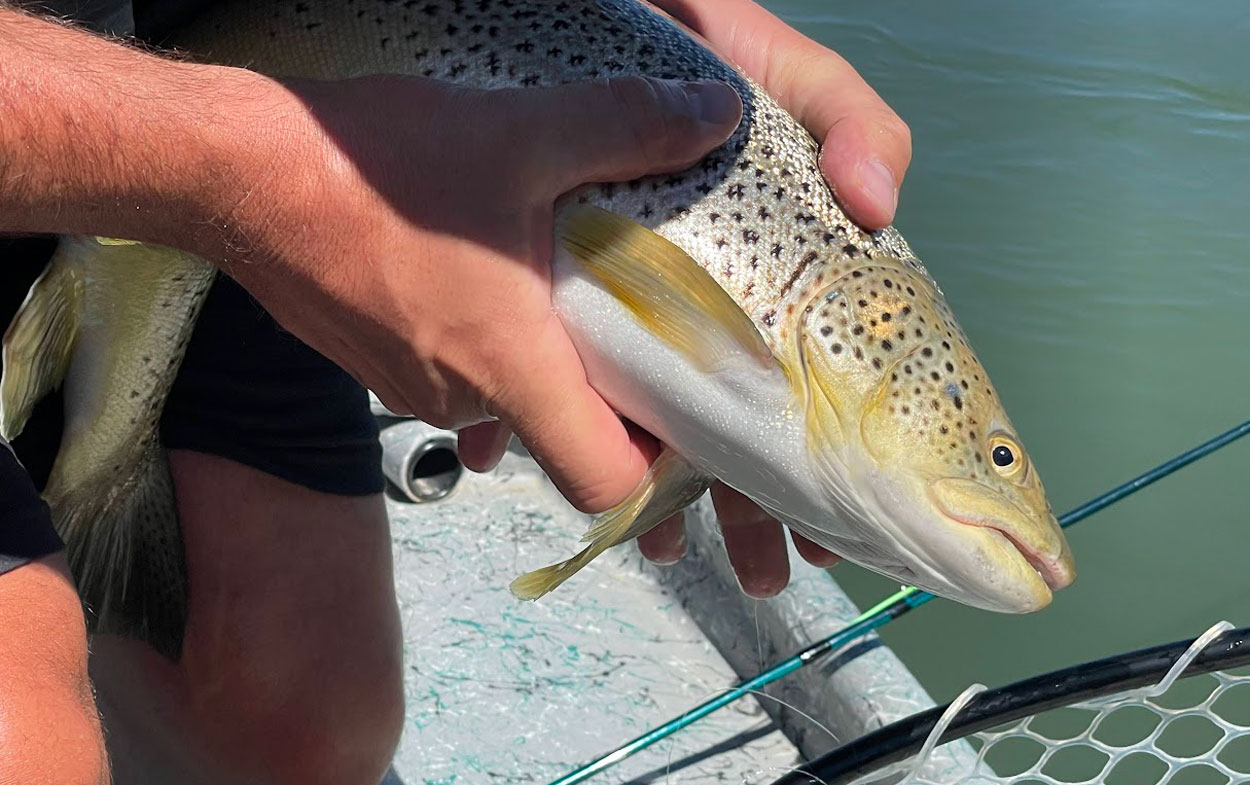
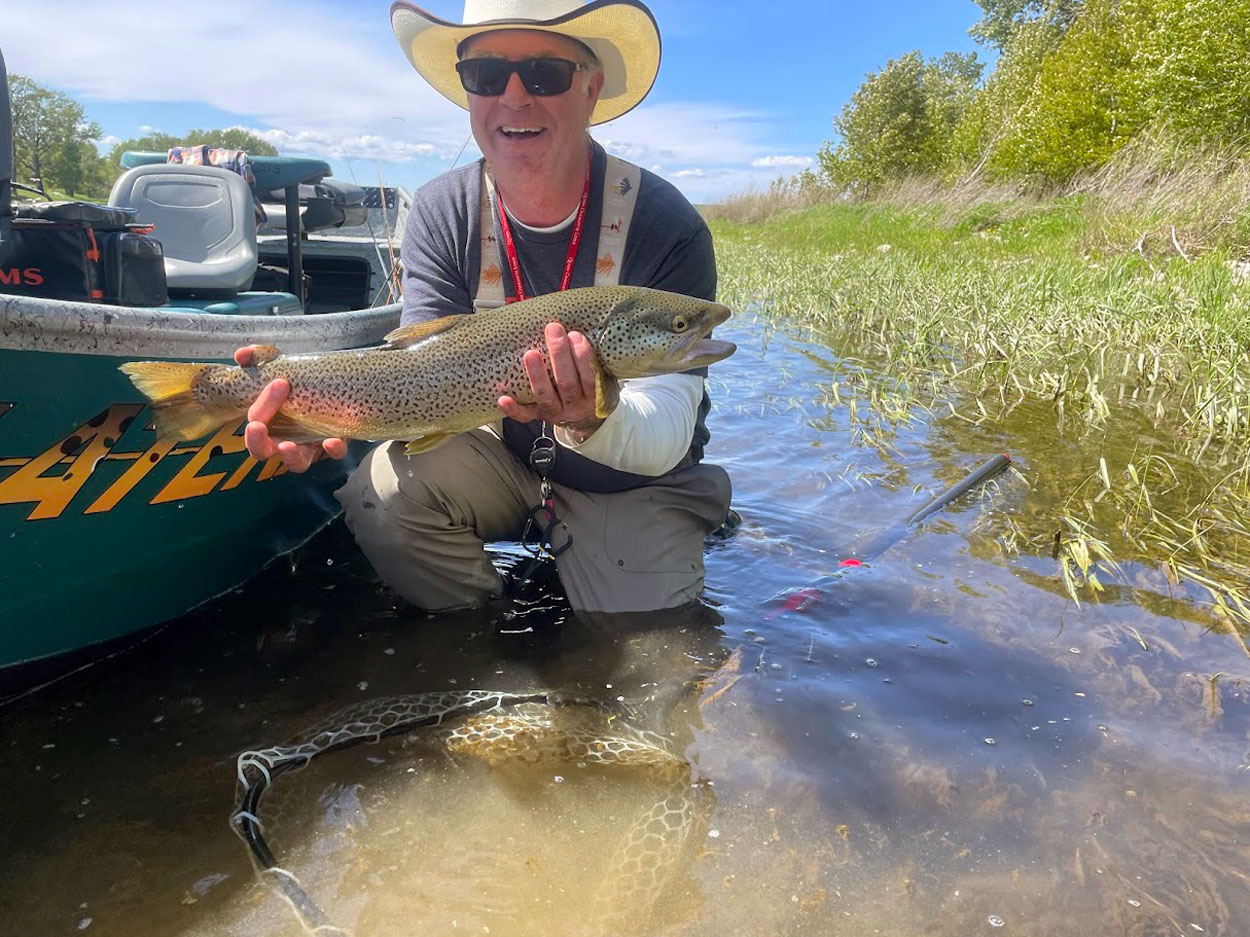
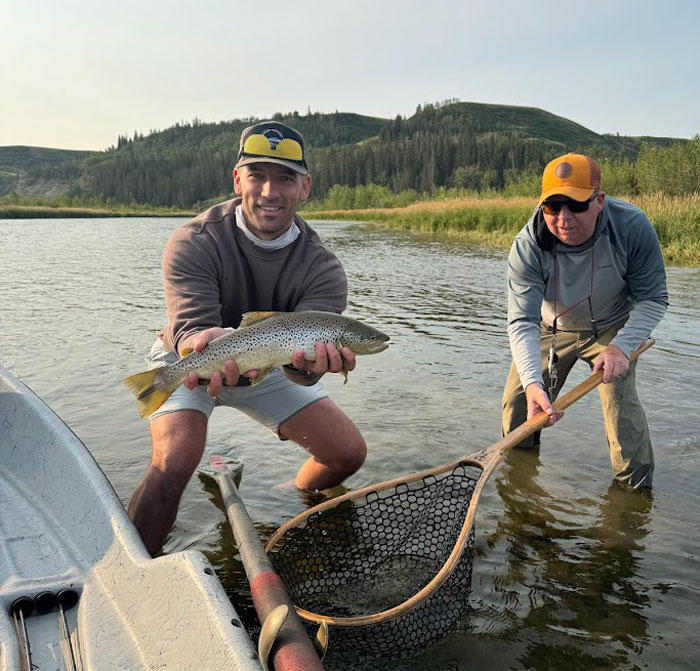
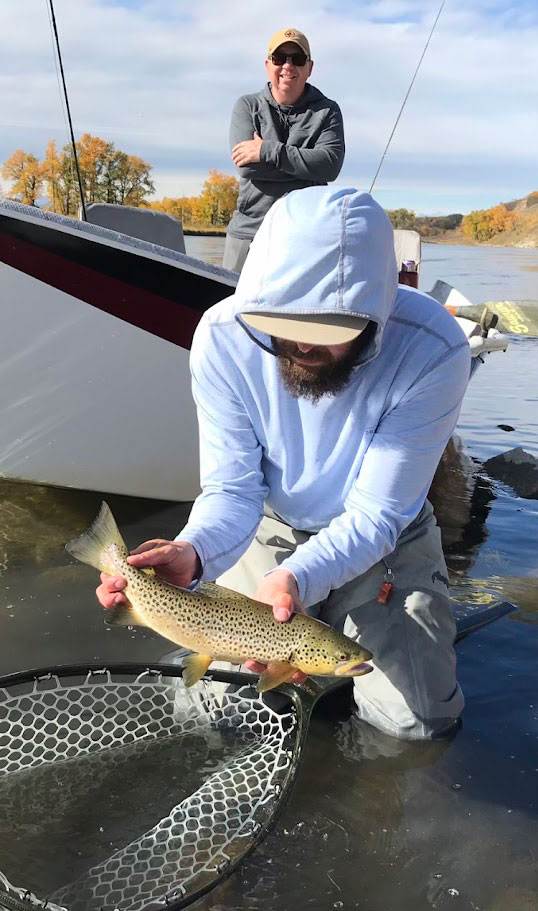
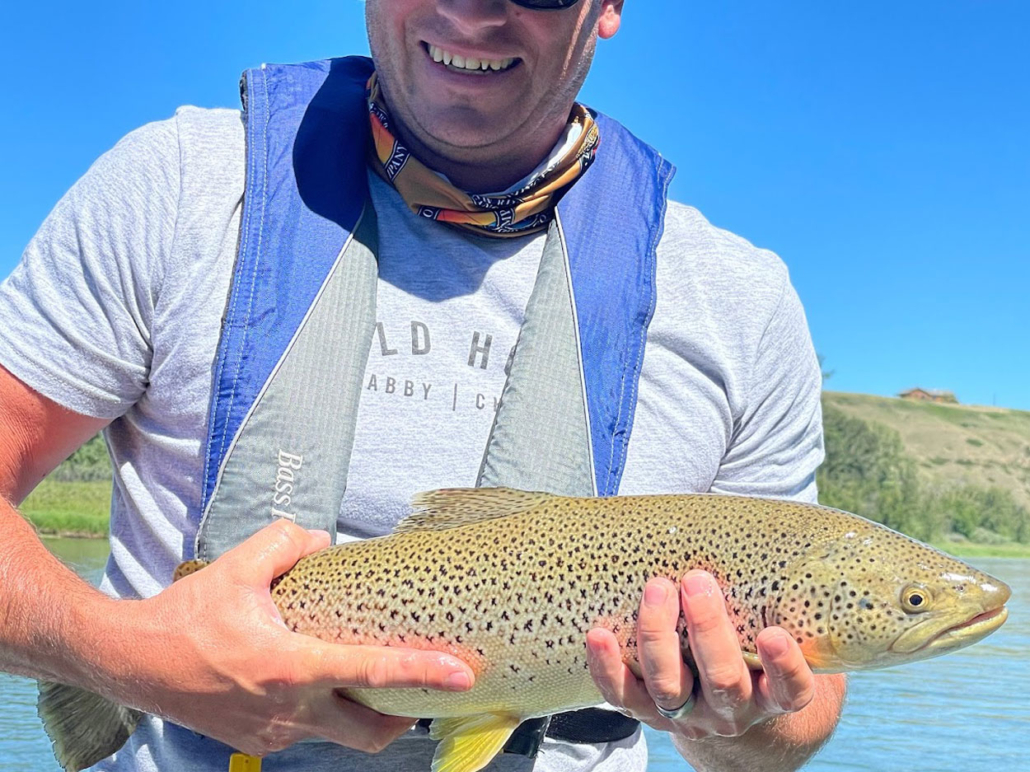
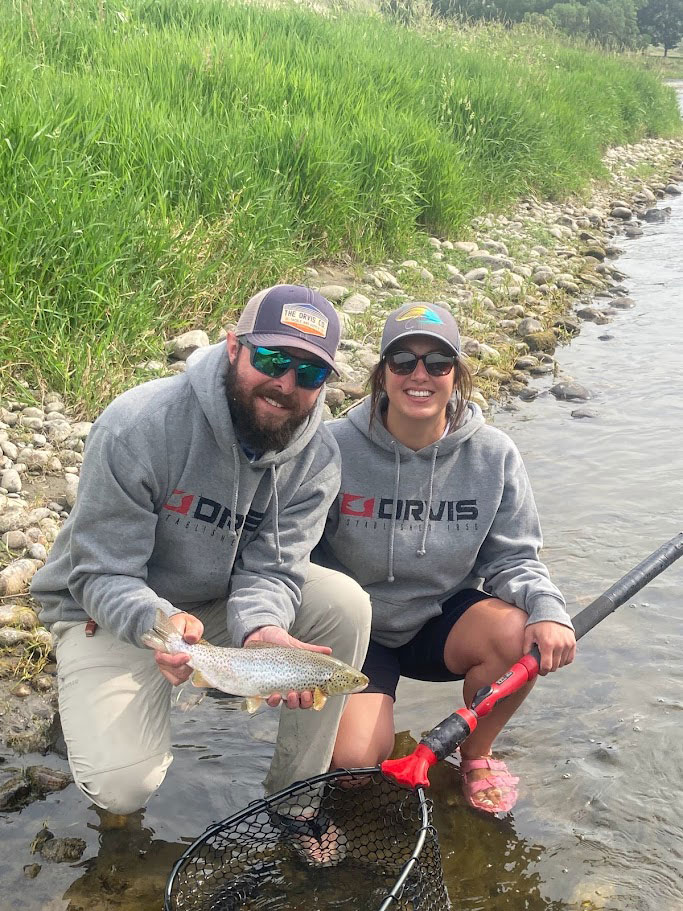
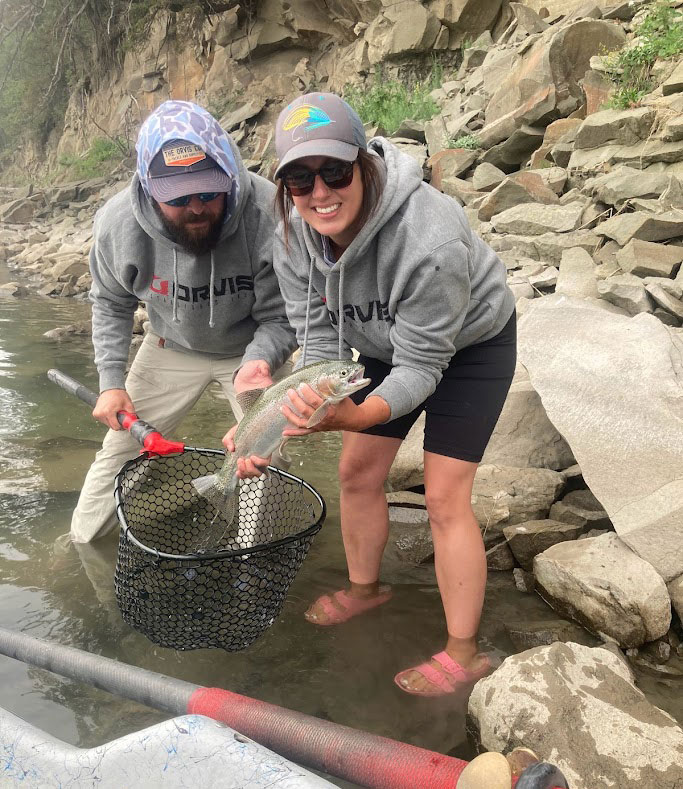
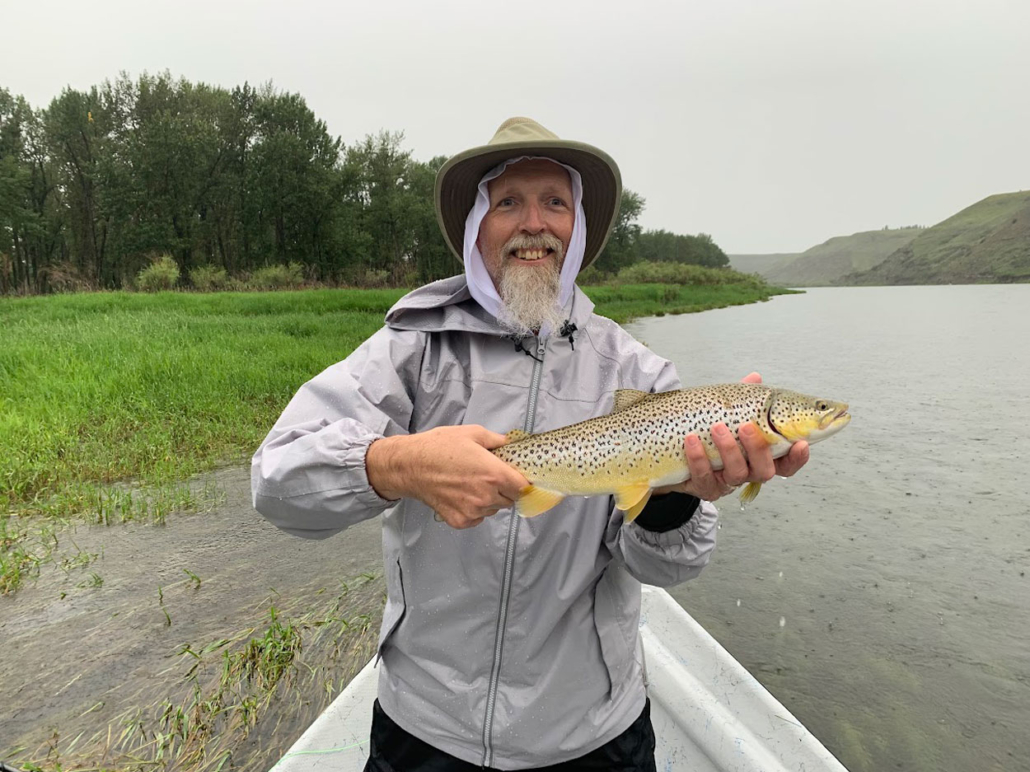
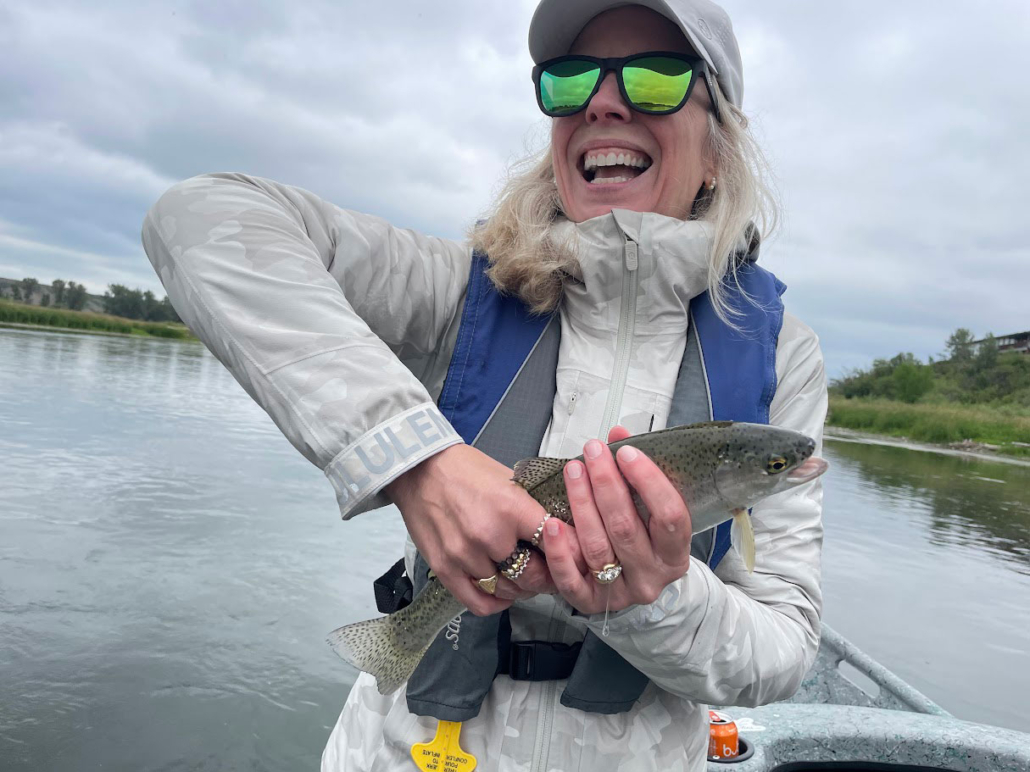
Keep fish in the water as much as possible. Wet your hands before touching any trout, as dry hands remove protective slime coating. Support the fish horizontally, never squeezing or holding vertically by the jaw. If you want a photo, have your camera ready before lifting the fish, and return it to the water within ten seconds.
Revive exhausted fish by holding them upright in gentle current, allowing water to flow through their gills. Wait until the fish kicks strongly before releasing. If a fish won’t recover, continue holding it and move to slightly faster water for increased oxygen flow.
Bow River Fly Fishing offers guided trips and lessons tailored to all skill levels, helping you avoid these common mistakes while experiencing the best water near Calgary. Book your trip and discover why anglers travel from around the world to fish these waters.