Posts

Common Fly Fishing Mistakes Beginners Make on the Bow River (And How to Fix Them)

The Bow River has a reputation for humbling even experienced anglers. Its crystal-clear waters, technical currents, and wary trout population create a learning curve that catches many newcomers off guard. I’ve watched countless beginners make the same preventable errors on this legendary Alberta fishery, mistakes that turn a promising day into an exercise in frustration.

The good news? Most common fly fishing mistakes beginners make on the Bow River stem from a handful of correctable habits. Understanding why these errors matter on this specific waterway makes all the difference. The Bow isn’t forgiving of sloppy technique, but it rewards anglers who take time to learn its rhythms. Wild rainbow and brown trout averaging 16 to 20 inches demand precision, patience, and proper preparation.

What follows represents hard-won knowledge from years of guiding and fishing these waters. When you’re trying to figure out why the Bow keeps defeating you, these fixes will transform your success rate. The river’s reputation as one of North America’s premier trout fisheries exists for good reason, and with the right approach, you can experience what makes it so special.

Mastering the Drift: Overcoming Poor Line Management

Line management separates successful Bow River anglers from those who spend more time untangling than fishing. The river’s complex currents create multiple speed zones within a single cast, and your fly line responds to every one of them. Poor line control means your fly behaves unnaturally, and trout notice immediately.

The fundamental problem most beginners face involves allowing too much slack to accumulate while simultaneously fighting drag they didn’t anticipate. This creates a lose-lose situation where you can’t set the hook effectively and your presentation looks nothing like natural food drifting downstream.

Correcting Constant Drag on the Bow’s Fast Currents

Drag occurs when faster or slower currents pull your fly line and leader, causing your fly to move across the current rather than with it. On the Bow, this happens constantly because the river features dramatic speed variations between main channels, seams, and slower edges.

The fix requires repositioning your body and adjusting your casting angle. Instead of casting directly across fast water to reach a target, wade to a position where you can present your fly with minimal line crossing conflicting currents. Shorter casts with better angles outperform long casts that cross multiple current speeds every time.

Reach casts help tremendously here. By reaching your rod tip upstream or downstream during the cast, you place your line in a position that delays drag. Practice this technique on slower water before attempting it during your Bow River trip.

The Importance of Mending Upstream Early

Mending after drag has already started is like closing the barn door after the horse escapes. The key involves mending immediately after your fly lands, before the current has time to create problems. An upstream mend repositions your line so the fly continues drifting naturally.

Watch your indicator or dry fly closely during the first three seconds after landing. If you see any unnatural movement, mend again. On the Bow’s faster runs, you might mend three or four times during a single drift. This feels excessive at first, but it becomes automatic with practice.

Stack mending works well in particularly challenging spots. Instead of one large mend, make several small upstream mends in quick succession. This keeps your fly in the strike zone longer without the violent line movement that can spook nearby fish.
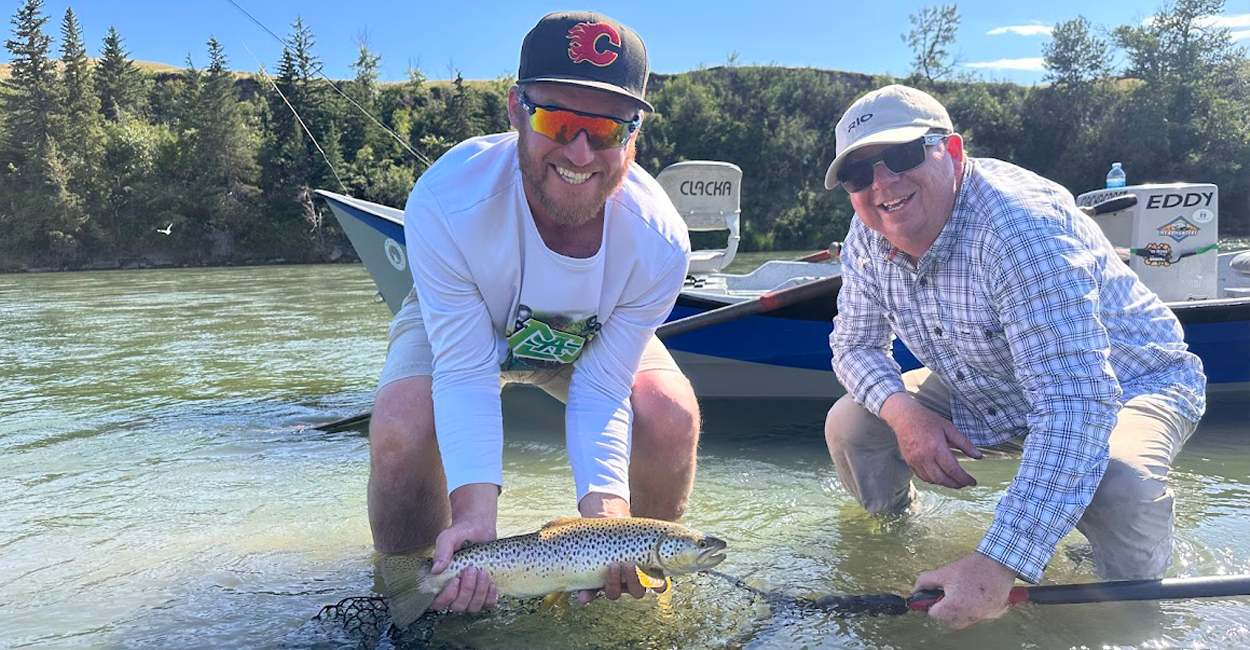
drift boat fly fishing in calgary alberta

Rigging Failures and Depth Miscalculations

The Bow River ranges from shallow riffles barely covering your ankles to pools exceeding ten feet. Fishing the same rig everywhere guarantees you’ll miss fish in most water types. Beginners often stick with one setup because changing feels complicated, but this single habit costs more fish than almost any other mistake.

Trout hold at specific depths based on water temperature, food availability, and current speed. Your flies need to reach those depths quickly and stay there throughout the drift. Getting this wrong means your presentation passes harmlessly above feeding fish.

Adjusting Indicators for Deep Pools and Fast Riffles

The general rule suggests setting your indicator at 1.5 times the water depth, but the Bow’s varying current speeds require constant adjustment. In fast water, you need more distance between indicator and flies because the current pushes your rig toward the surface. Slow pools allow closer spacing.

Many beginners set their indicator once and never touch it again. Successful Bow River anglers adjust every time they move to new water. Carry a small tool for quick indicator repositioning, and don’t hesitate to make changes mid-session.

Indicator size matters too. Large, buoyant indicators suspend heavy nymph rigs but create more surface disturbance. In clear, calm water, downsize to a smaller indicator even if it occasionally submerges. The tradeoff between visibility and stealth favors subtlety on pressured water.

Choosing the Right Weight and Split Shot Placement

Split shot placement affects drift quality more than most anglers realize. Weight positioned too close to your flies creates an unnatural sinking motion. Placed too far up the leader, it fails to get your patterns into the feeding zone.

For most Bow River nymphing, position your primary weight 8 to 12 inches above your point fly. This allows the flies to drift slightly behind and below the weight, mimicking how natural insects tumble along the bottom. In extremely fast water, add a smaller shot closer to the flies for faster sink rates.

Tungsten beadhead flies reduce the need for external weight while maintaining a more natural profile. Consider using heavier flies in your point position and lighter patterns as droppers. This creates a natural-looking presentation while achieving the necessary depth.

walk and wade fly fishing bow river

Approach and Stealth Near the Riverbank

The Bow’s clarity works against impatient anglers. Trout can spot movement from remarkable distances, and once spooked, they stop feeding for extended periods. Many beginners walk right up to the water’s edge, announce their presence to every fish within fifty feet, and then wonder why nothing bites.

Your approach begins long before you make your first cast. Parking location, walking path, and wading technique all influence whether fish remain calm and feeding or scatter to deeper water.

Avoiding ‘Spooking’ Large Rainbows in the Shallows

The Bow’s large rainbows frequently feed in surprisingly shallow water, especially during morning and evening hours. These fish feel vulnerable and remain hyperalert to threats. Your silhouette against the sky, shadows crossing the water, and vibrations from heavy footsteps all trigger flight responses.

Approach from downstream whenever possible. Fish face into the current, so approaching from behind keeps you in their blind spot. Stay low, move slowly, and avoid sudden movements. If you spot a feeding fish, stop immediately and plan your cast before moving closer.

Wade carefully and quietly. Each step should be deliberate, with your foot placed gently rather than splashing down. The gravel bottom transmits vibrations surprisingly well, and experienced trout associate those vibrations with danger.

Misreading Bow River Water and Trout Lies

Understanding where trout hold transforms random casting into targeted fishing. Beginners often focus on the most visually appealing water while ignoring subtle features that actually concentrate fish. The Bow offers countless holding spots, but learning to identify the best ones dramatically improves efficiency.

Trout balance three needs: food access, protection from current, and safety from predators. The best lies provide all three. Learning to read water means identifying where these factors converge.

Identifying Seams, Foam Lines, and Tailouts

Seams form where fast and slow water meet, creating a conveyor belt of food along a comfortable current speed. These edges often appear as visible lines on the surface where water textures change. Fish the slow side of seams, casting your fly into the fast water and letting it drift into the feeding zone.

Foam lines indicate where surface currents converge, concentrating floating insects and debris. The old saying “foam is home” holds true on the Bow. Follow foam lines with your eyes and you’ll often spot rising fish or identify prime holding water.

Tailouts deserve more attention than most beginners give them. These gradually shallowing areas at the bottom of pools offer excellent feeding opportunities, especially during hatches. Trout feel relatively safe in the deeper water behind them while accessing food drifting through the shallows. The Sheep River, located about 45 minutes south of Calgary, offers similar tailout structures on a smaller scale, making it excellent practice water for reading these features.
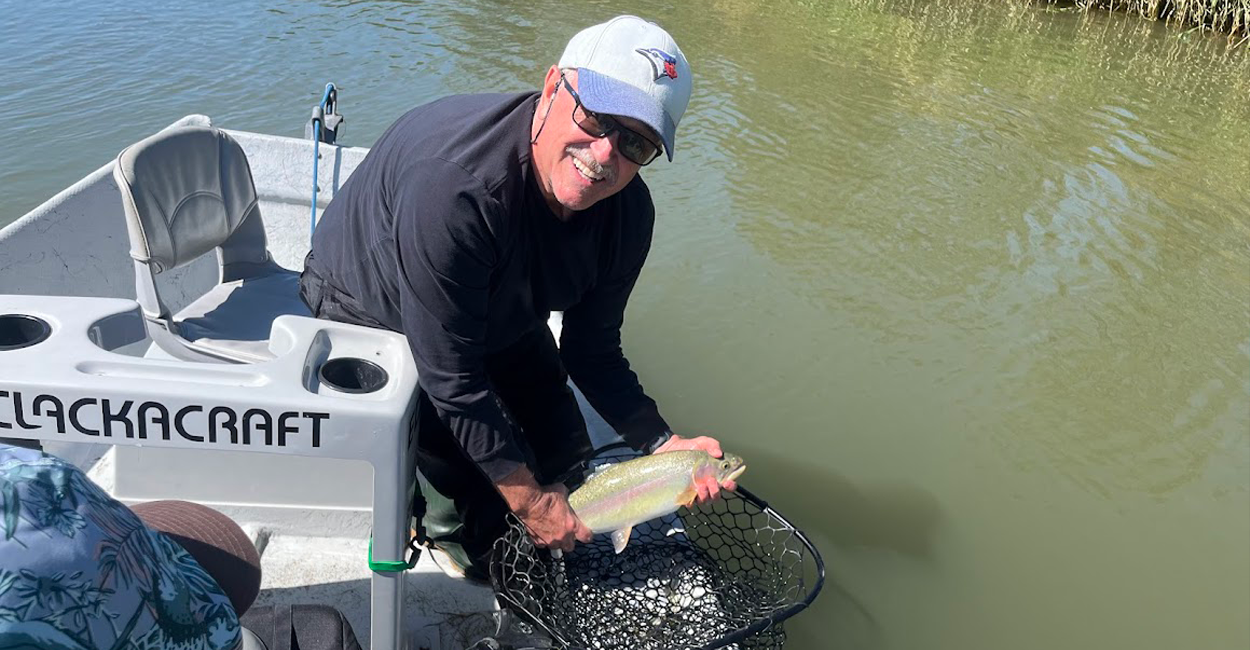
bow river fly fishing lessons

Inadequate Gear Preparation and Fly Selection

Showing up to the Bow River with the wrong flies or inappropriate tackle creates unnecessary handicaps. This fishery demands specific patterns matched to local insect populations and equipment capable of handling powerful, hard-fighting trout. Preparation before your trip determines much of your success.

Matching Local Hatches: Stoneflies, Caddis, and Hoppers

The Bow’s insect calendar differs from other trout rivers, and local patterns consistently outperform generic alternatives. Golden stoneflies emerge in late June and July, creating explosive surface action. Caddis hatches occur throughout summer, with peak activity during evening hours. Terrestrial patterns, particularly hoppers and beetles, become essential from July through September.

Carry nymph patterns in multiple sizes for each major insect group. San Juan Worms, Pat’s Rubber Legs, and various pheasant tail variations cover most subsurface situations. For dry fly fishing, stock Stimulators, Elk Hair Caddis, and foam hoppers in sizes 8 through 14.

The Highwood River, approximately 90 minutes southwest of Calgary, shares many insect species with the Bow but sees less pressure. Fishing there helps you learn local hatch patterns without the competition found on the main river. Cutthroat and bull trout in the Highwood respond to similar fly selections.

The Necessity of Strong Tippet for Hard-Fighting Wild Trout

Bow River trout fight harder than their hatchery counterparts elsewhere. These wild fish make powerful runs, use current to their advantage, and test every connection in your system. Beginners often lose trophy fish to tippet failures that stronger material would have prevented.

Use 2x-4x fluorocarbon for most nymphing situations depending on your fly sizes. The fluorocarbon’s abrasion resistance and lower visibility justify its higher cost. For dry fly fishing in clear conditions, you may need 4x or 5x  again, depending on your bug sizes. We use nylon tippet for dry flies but you can use fluorocarbon without any issues. Don’t go lighter than necessary. A 20-inch rainbow will break even 2x tippet if you can’t control the fight.

Check your tippet frequently for wind knots and abrasion. Replace any section that shows damage. The Oldman River, about two hours south near Lethbridge, offers similarly powerful brown and rainbow trout that provide excellent practice managing strong fish on appropriate tippet.

Improper Fish Handling and Catch-and-Release Ethics

The Bow River’s world-class fishery exists because of strict catch-and-release regulations and proper fish handling. Every angler shares responsibility for protecting this resource. Poor handling practices kill fish that appear to swim away healthy, gradually degrading the population that makes this river special.

Keep fish in the water as much as possible. Wet your hands before touching any trout, as dry hands remove protective slime coating. Support the fish horizontally, never squeezing or holding vertically by the jaw. If you want a photo, have your camera ready before lifting the fish, and return it to the water within ten seconds.

Revive exhausted fish by holding them upright in gentle current, allowing water to flow through their gills. Wait until the fish kicks strongly before releasing. If a fish won’t recover, continue holding it and move to slightly faster water for increased oxygen flow.

Bow River Fly Fishing offers guided trips and lessons tailored to all skill levels, helping you avoid these common mistakes while experiencing the best water near Calgary. Book your trip and discover why anglers travel from around the world to fish these waters.

2025 Year in Review: Fly Fishing the Bow River

By Scott Smith, Lead Guide

Thank you! We had so many great guests and memorable moments on the Bow River in 2025. We saw some amazing trout to hand this season, solidified relationships and experienced new beginnings.

Early Season Highlights: Caddis Hatch and Calm Waters

Early season gave us amazing conditions for the early Caddis hatch. Guests experienced head hunting the way it should be with big fish on small bugs. Smiles all around and way too much fun for us to feel like great hunters in the wilderness! We could see the Deerfoot Overpass, but still.

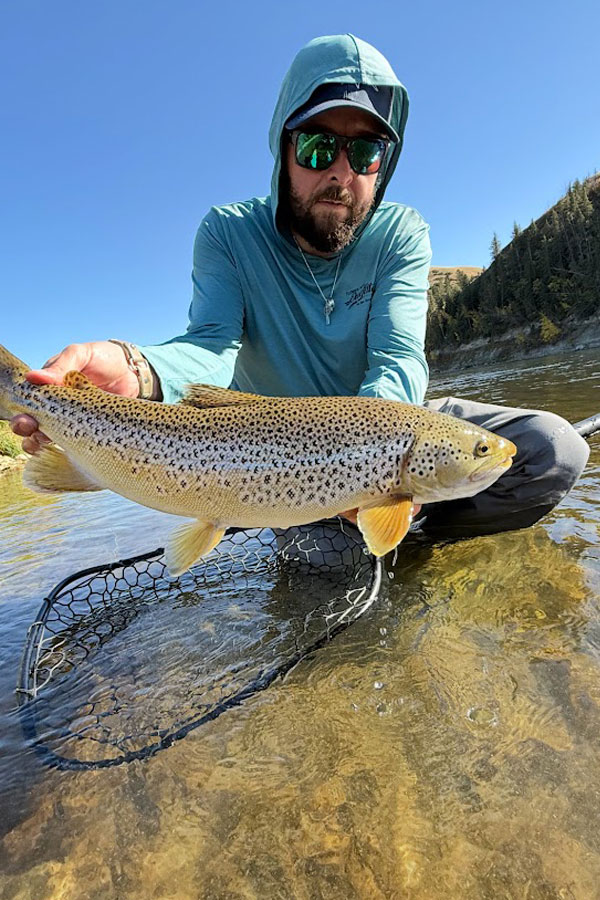
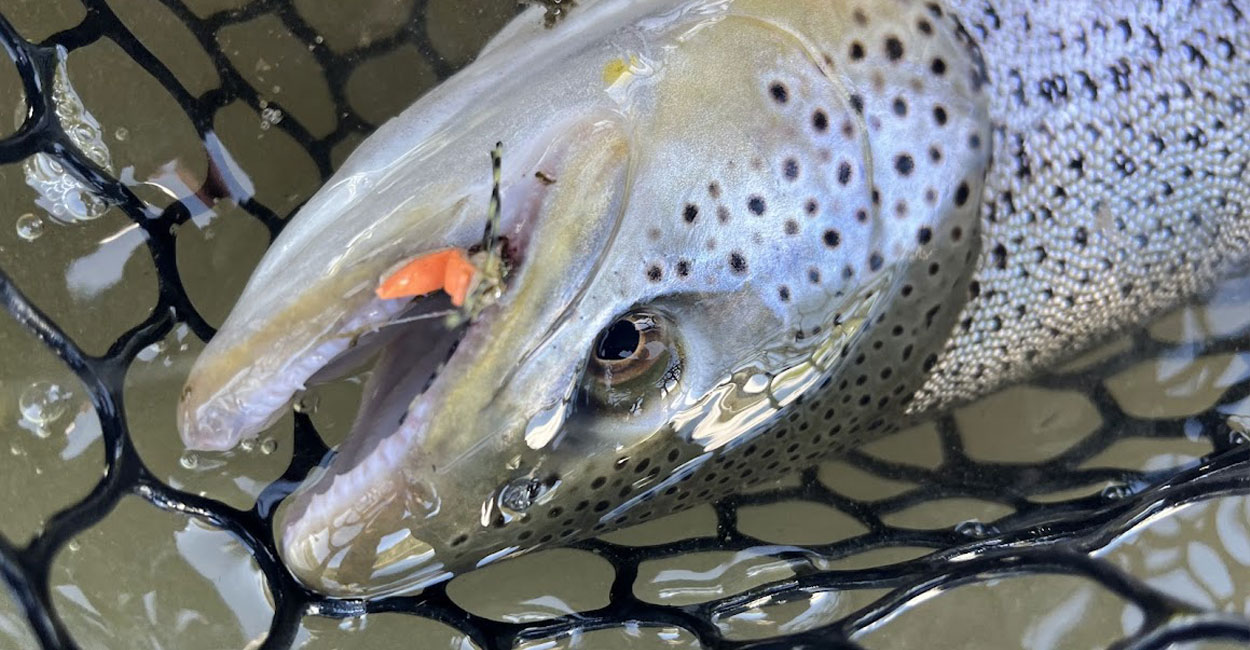
Close-up of Bow River trout hooked on a dry fly during summer fishing.

Midseason Challenges: High Water and Heavy Rains

So, July was terrible. We had record rains and the river was high, fast and dirty. We ended up rescheduling guests and providing refunds to many others. I pride our little operation in being easy to deal with. I want everyone to have a great experience on and off the water with us. Those that couldn’t reschedule and wanted to brave the high water, fought hard for one fish and I damn near ran out of jokes and stories to tell! 

We were happy to see the river settle down. However, I would much rather see high, cooler river conditions than the drought we were setting up for. Here’s to a heavy snow pack this winter!

Big Browns and Rainbow Rockets

Big Browns? Yeah, there were a few. If you follow any of the outfitters or locals on your socials, you witnessed some healthy fish this year. We had several guests hook up PB’s, which makes me a little goofy every time it happens. I love the mood in the boat when the guest says “Oh, this one’s got some girth!” and then dials into the fight.

The Bow River is truly a special place. Just ask me, I’ll tell you all about it! I especially appreciated the guests that needed a minute to stop shaking after the release.

The Buttered Beasts are certainly coveted but let’s not discount the Rainbows in the Bow. Guests had so many WOW hits this season! Rainbow Smashes made more than one angler screech a little when these bullets launched into space!

Releasing a Bow River brown trout safely back into the water.

Gratitude for Our Guides and Partners

All this serious fishing doesn’t happen without the guides manning the sticks: Garnet, Bryce, Nate, Jason, Peter, Oz, Mike, Gene, Blair, Nick, Trevor and Luke. I am lucky to connect with these great independent guides and fellow independent outfitters. These guys are all true pros and a ton of fun on the water to work with – Thank you gentlemen!

Lessons, Learning, and Collaboration

Personally, the 2025 season will hold many memories. I was fortunate to work a little with the great Linda McLennan from McLennan Fly Fishing. Linda helped me modify our lesson program, and taught a “teach the teacher” session that we arranged for several guides. This was a great day of exchanging ideas and techniques with other like-minded guides and outfitters. 

My favourite quote from Linda, “Always give yourself permission to teach.” No matter how long I’ve been at this, I can always learn. In fly fishing, we’re never at the top of the game.


Looking Ahead to the 2026 Fly Fishing Season

As we close out 2025, we’re filled with gratitude and excitement for what’s next. The Bow River continues to inspire us with its beauty, power, and potential. Thank you for being part of our journey. We can’t wait to see you on the water in 2026!

Choose Your Adventure!

Whether you’re a complete beginner or ready to “level up,” there’s a package tailored for you: from half-day floats, full-day adventures, 2-day boot camps, to corporate and group outings. All trips take place on the stunning Bow River near Calgary, where you’ll float or wade majestic waters and may encounter deer, bald eagles, beavers and more as part of the experience. 

When you’re looking ahead to 2026 and want to turn your next outing into an adventure, whether solo, with friends or as a team-building day, now’s the time to lock in your date. Visit the booking page to browse our unique offerings and reserve your spot today.

Book your next Bow River fly fishing trip today and experience the adventure for yourself.

Walk and Wade River Fishing Trips near Calgary, Alberta

By Scott Smith, Lead Guide

walk wade top notch flyfishing calgary

Photo courtesy of Top Notch Flys

Discover the Best Guided Walk and Wade Fishing Trips near Calgary, Alberta

What is Walk & Wade Fishing?

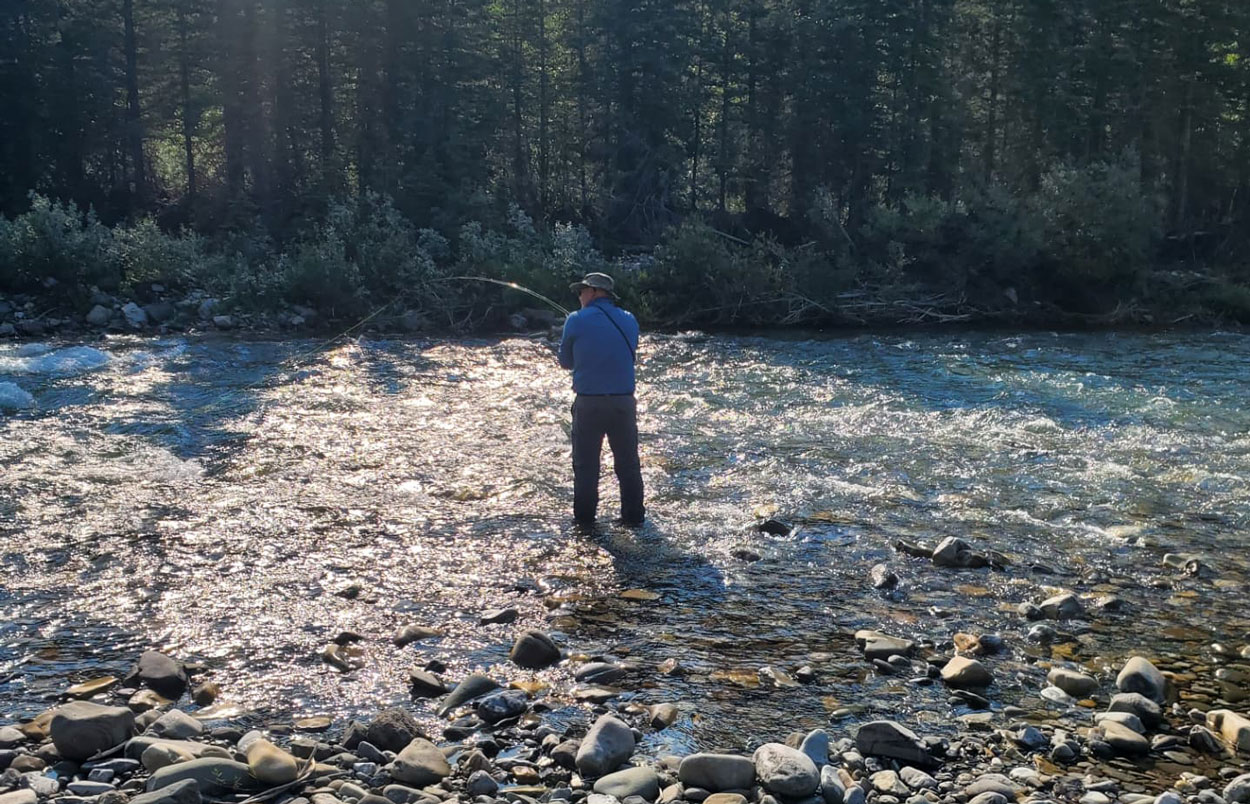
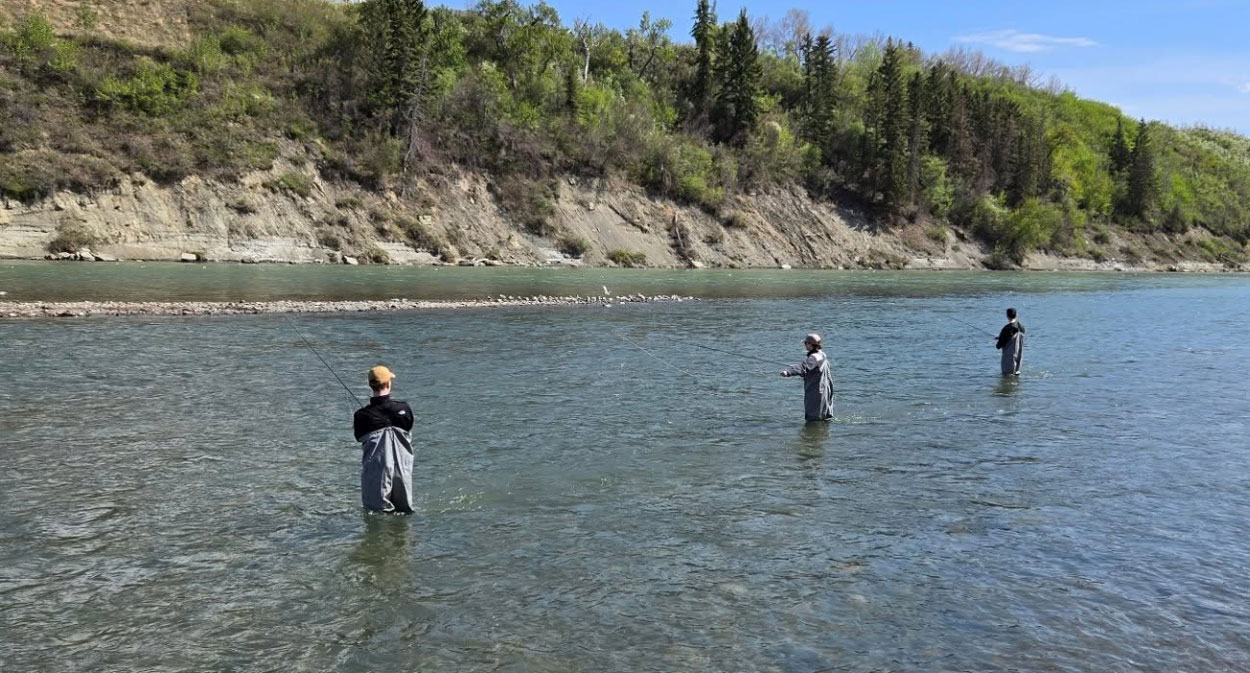
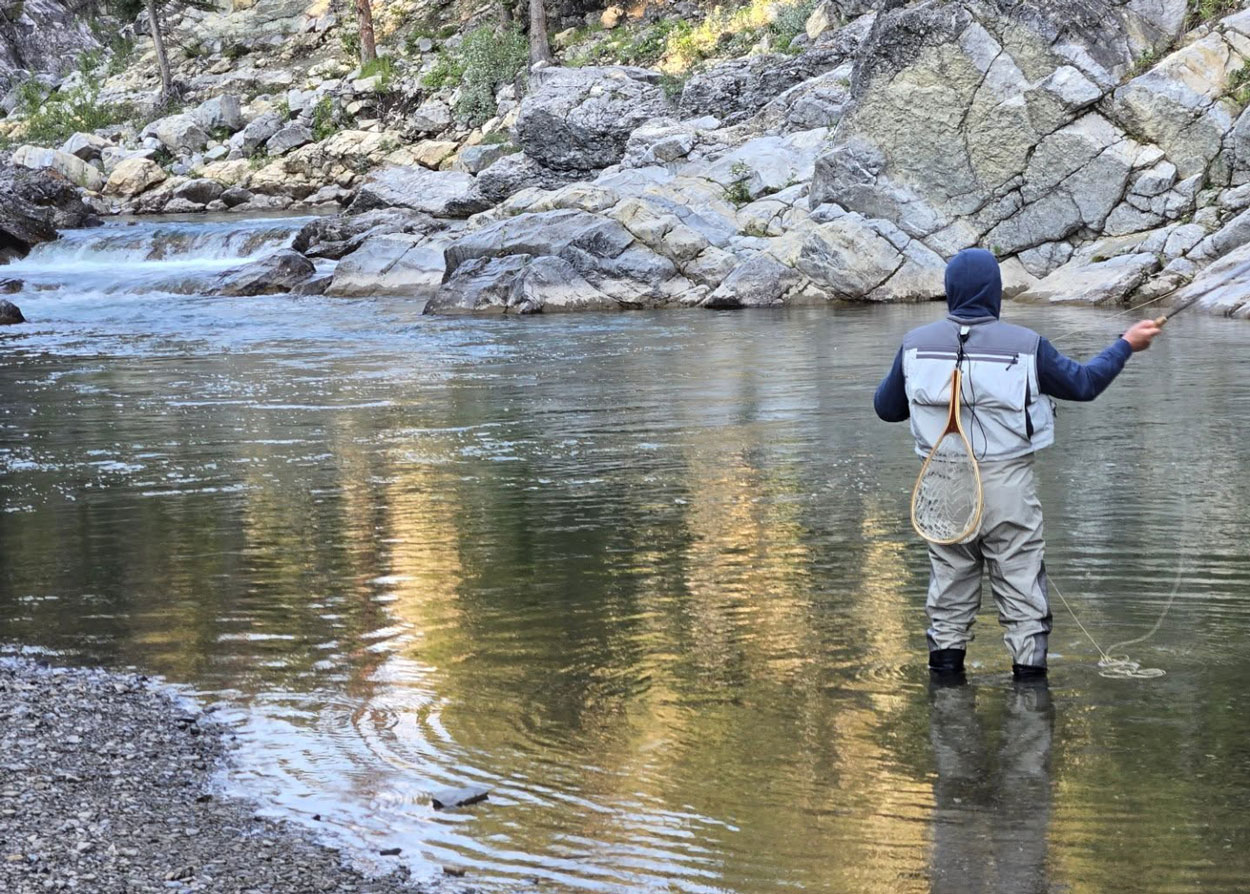
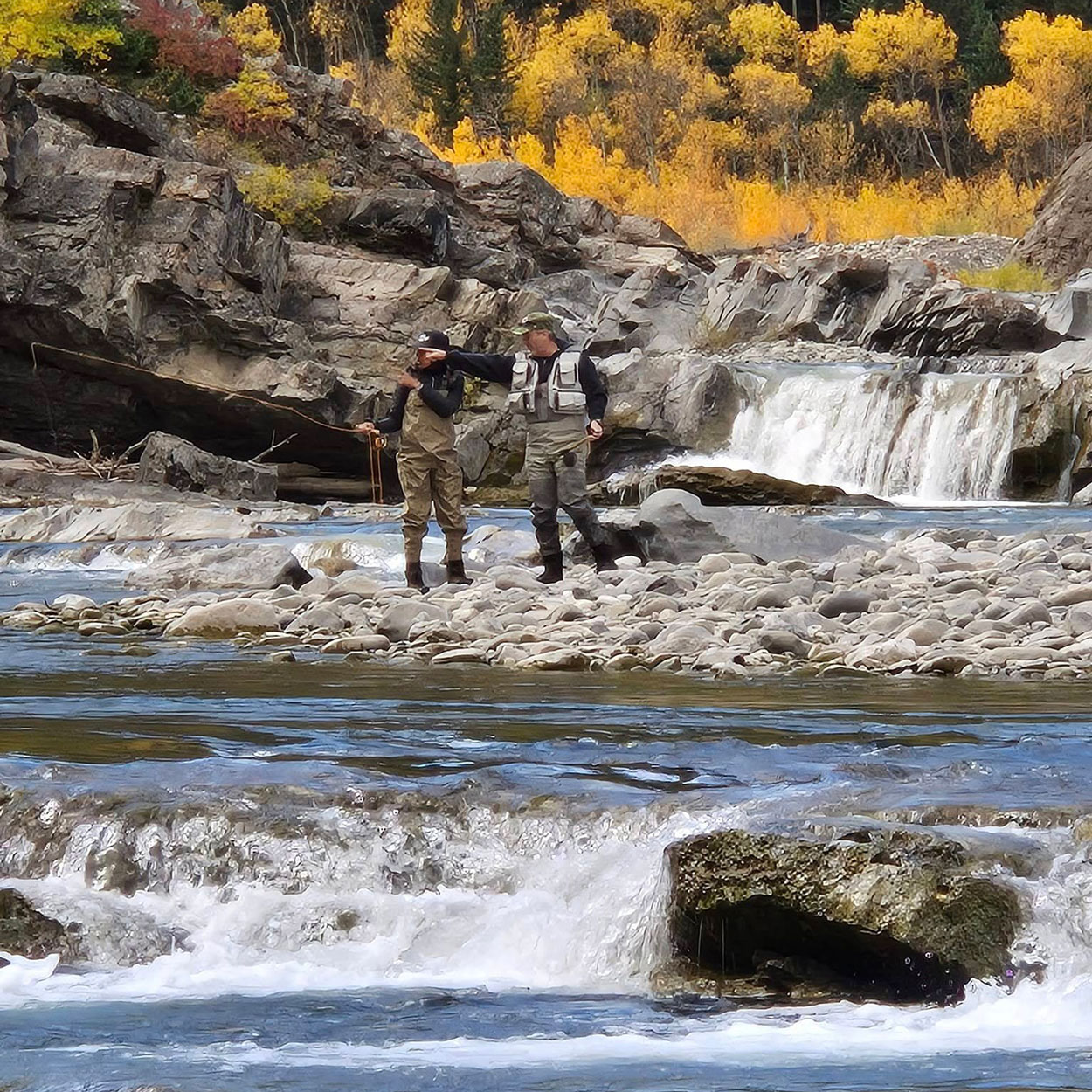
Walk & Wade fishing is the perfect blend of adventure and angling, where you literally walk into the river and wade through its flowing waters to find the best fishing spots. Unlike drift boat fishing (which is an adventure in its own right) this method offers an even more intimate connection with the river environment, allowing anglers to explore shallow riffles, pools, and runs on foot. It’s a hands-on, immersive guided experience that combines light exercise with the thrill of catching trout and other freshwater species.

Think of it as a nature hike with a fishing rod, except the prize at the end might be a feisty rainbow trout rather than just a scenic view. This style of fishing is especially popular in Alberta, where pristine rivers and streams provide excellent conditions for wading anglers.


walk wade top notch flyfishing calgary

Photo courtesy of Top Notch Flys

Introducing Walk & Wade Fishing in Alberta

Alberta’s diverse river systems make it an ideal playground for Walk & Wade enthusiasts. From the iconic Bow River winding through Calgary to the quieter, lesser-known gems like the Sheep River, Oldman River, and Highwood River; there’s a spot for every angler’s taste and skill level. If you’re just starting out, we also offer Beginner sessions on the Bow. Guided trips, such as those offered by Bow River Fly Fishing, provide expert knowledge, gear, and local insights. This makes it easier and more enjoyable to explore these waters safely and successfully.

Whether you’re a seasoned fly fisher or a curious beginner, Alberta’s Walk & Wade fishing trips offer a unique way to experience the province’s rich aquatic ecosystems while honing your angling skills.

Exploring the Sheep River: A Hidden Gem

Just about an hour’s drive southwest of Calgary, the Sheep River is a tranquil and scenic destination that often flies under the radar. Its crystal-clear waters and rugged canyon landscapes create an idyllic setting for Walk & Wade fishing. The river is less crowded than the Bow, offering a peaceful retreat for anglers seeking solitude and quality fishing. A perfect setting for a focused, guided trip.

The Sheep River is home to a variety of native fish species, making it a rewarding spot for those looking to diversify their catch.

Fish Species: Bull Trout, Westslope Cutthroat Trout, Mountain Whitefish

Anglers venturing into the Sheep River can expect to encounter bull trout, known for their size and fight, as well as the colorful Westslope cutthroat trout, a native species prized for its beauty and sporting qualities. Mountain whitefish also inhabit these waters, providing additional fishing opportunities. The presence of these species reflects the river’s healthy ecosystem and makes it a must-visit for those interested in native trout fishing.

Discovering the Oldman River: A Diverse Fishery

The Oldman River, located approximately two hours south of Calgary, offers a diverse and productive fishery. Known for its varied habitats ranging from fast-flowing runs to deep pools, it caters to anglers who enjoy adapting their techniques to different conditions. The river’s accessibility and scenic surroundings make it a favorite among locals and visitors alike.

Fish Species: Rainbow Trout, Brown Trout, Westslope Cutthroat Trout, Bull Trout

The Oldman River supports a rich mix of trout species. Rainbow and brown trout are abundant and provide exciting angling challenges, while native Westslope cutthroat and bull trout add to the river’s biodiversity. This variety means anglers can target different species throughout the season, enhancing the overall fishing experience.


walk wade top notch flyfishing calgary

Photo courtesy of Top Notch Flys

Fishing the Highwood River: A Scenic Adventure

About an hour and a half from Calgary, the Highwood River is a picturesque waterway that winds through the foothills of the Rockies. Its crystal-clear waters and rugged terrain attract anglers who appreciate both the beauty of the landscape and the quality of the fishing. Walk & Wade fishing here offers the chance to explore less pressured waters and connect deeply with nature.

Fish Species: Bull Trout, Westslope Cutthroat Trout, Rainbow Trout

The Highwood River is home to bull trout, Westslope cutthroat trout, and rainbow trout. These species thrive in the river’s cool, oxygen-rich waters. The mix of native and introduced species provides a diverse fishing experience, with plenty of opportunities for trophy-sized catches.


walk wade top notch flyfishing calgary

Photo courtesy of Top Notch Flys

Comparing the Bow River to Other Local Fisheries

The Bow River is arguably Alberta’s most famous trout fishery, flowing right through Calgary and offering easy access combined with excellent fishing conditions. Compared to the Sheep, Oldman, and Highwood Rivers, the Bow is more heavily fished but also better supported with infrastructure, guides, and services.

While the Bow River is known for its consistent trout populations and convenient access points like Graves Landing and Policeman’s Flats, the other rivers provide a quieter, more secluded experience for anglers willing to travel a bit further.

Fish Species in the Bow River: Brown Trout, Rainbow Trout

The Bow River is renowned for its healthy populations of brown and rainbow trout. These species are the main targets for anglers and are known for their strong fight and willingness to take a fly. The river’s diverse habitats support both juvenile and trophy-sized trout, making it a versatile fishery.

Accessibility and Travel Distance to the Bow and Other Rivers

One of the Bow River’s biggest advantages is its proximity to Calgary with many access points within city limits or a short drive away. In contrast, the Sheep River is about 60 minutes from Calgary, the Highwood River around 90 minutes, and the Oldman River approximately 120 minutes south. This makes the Bow River ideal for half-day trips or spontaneous outings, while the other rivers suit anglers looking for a full-day adventure or weekend getaway.


walk wade top notch flyfishing calgary

Photo courtesy of Top Notch Flys

Benefits of Walk & Wade Fishing Trips

Walk & Wade fishing trips offer a unique blend of physical activity, relaxation, and angling excitement. They are especially popular in Alberta due to the province’s scenic rivers and abundant trout populations.

Personalized Experience with Expert Guides

Booking a guided Walk & Wade trip with companies like Bow River Fly Fishing ensures a personalized experience tailored to your skill level and interests.

  • Guides provide local knowledge of the area
  • Help you read the water for better fishing strategies
  • Teach casting techniques to improve your skills
  • Offer safety tips and ensure a safe experience on the water
  • Provide companionship and encouragement throughout the trip
  • Increase your chances of success with expert guidance
  • Enhance your overall enjoyment of the fishing experience


walk wade top notch flyfishing calgary

Photo courtesy of Top Notch Flys

Immersive Connection with Nature

Wading into a river allows you to immerse yourself fully in the environment. The sound of flowing water, the sight of wildlife, and the feel of cool currents on your legs create a sensory experience that boat fishing can’t match. It’s an opportunity to slow down, appreciate nature, and engage with the river on a deeper level.

Ideal for All Skill Levels

Whether you’re a beginner learning the basics or an experienced angler looking for new challenges, Walk & Wade fishing trips accommodate all skill levels. Guides can adjust the difficulty and pace, making it a welcoming activity for families, solo adventurers, and seasoned pros alike.

Best Seasons for Walk & Wade Fishing in Alberta

The prime season for Walk & Wade fishing in Alberta typically runs from late spring through early fall. Late May to early October offers the best water conditions and fish activity. However, anglers should be mindful of time-of-day restrictions implemented during the hot summer months to protect fish populations.

Between July 1 and August 31, fishing may be prohibited from 2:00 PM to midnight in certain stretches of the Bow River and other areas to prevent stress on fish during low flows and high temperatures. Checking the latest regulations on the My Wild Alberta website before heading out is always a good idea.


walk wade top notch flyfishing calgary

Photo courtesy of Top Notch Flys

Essential Gear and Preparation for Walk & Wade Trips

Proper gear is key to a safe and enjoyable Walk & Wade fishing trip. Wading boots with felt or rubber soles provide traction on slippery riverbeds, while a wading staff offers stability in swift currents. Wearing a life vest is recommended when fishing deeper waters or unfamiliar terrain.

Weather in Alberta can be unpredictable, so dressing in layers and bringing waterproof gear is essential. Don’t forget sunscreen, polarized sunglasses for spotting fish, and a hat for sun protection. Lastly, always carry a fishing license and be familiar with local regulations.

Conservation and Ethical Fishing Practices

Responsible fishing ensures that Alberta’s rivers remain healthy and vibrant for generations to come. Practicing catch and release, using barbless hooks, and handling fish gently are important steps to minimize harm. Respecting time-of-day restrictions and seasonal closures helps protect vulnerable fish populations during critical periods.

Anglers should also avoid disturbing riverbanks and vegetation, pack out all trash, and use environmentally friendly tackle. By following these ethical practices, you contribute to the conservation of Alberta’s aquatic ecosystems while enjoying your fishing adventures.

Booking Your Walk & Wade Fishing Adventure

Ready to experience the thrill of Walk & Wade fishing near Calgary? Bow River Fly Fishing offers expertly guided trips tailored to your preferences. Their Walk & Wade package includes all necessary gear, expert instruction, and access to prime fishing spots along the Bow River.

Guides from Bow River Fly Fishing are passionate about sharing their local knowledge and ensuring you have a memorable day on the water. Whether you’re looking for a half-day excursion or a full-day adventure, they can customize the experience to match your skill level and goals.


walk wade top notch flyfishing calgary

Photo courtesy of Top Notch Flys

Additionally, Bow River Fly Fishing collaborates with Bryce Coad at Top Notch Flies, a local fly fishing expert known for his high-quality flies and personalized services. Bryce’s knowledge of the local rivers, including the Bow River, Sheep River, Oldman River, and Highwood River, adds tremendous value to your experience.

As a skilled fly tier, Bryce provides custom flies tailored to local conditions, ensuring you’re well-equipped for success. His passion for the sport and his dedication to teaching anglers of all levels makes him a valuable asset to the team, and you’ll find his expertise enhances your trip, helping you make the most of every cast.

This collaboration ensures that you not only have access to the best local fishing spots but also the right equipment and knowledge to make your adventure truly special.

How to Book and What to Expect

Booking is straightforward through the Bow River Fly Fishing website, where you can learn more and discuss your preferred date and trip duration by contacting us. On the day of your trip, expect to meet your guide at a convenient location near Calgary, receive a briefing on safety and fishing techniques, and then head out to the river.

First-Time Fly Fishing Experience with George: A Memorable Rainy Day Float

By Scott Smith, Lead Guide

Meeting George: A Newcomer to Fly Fishing

At the end of May last season, George, exuding a classic Alberta blue-collar vibe, called me while I was at the tire shop getting new tires for the old Fishin’ Truck. He spoke with purpose and clarity about wanting to try fly fishing without immediately investing in all the gear. Consequently, we arranged his first time fly fishing lessons with a Half Day Lesson Float, which is ideal for beginners.

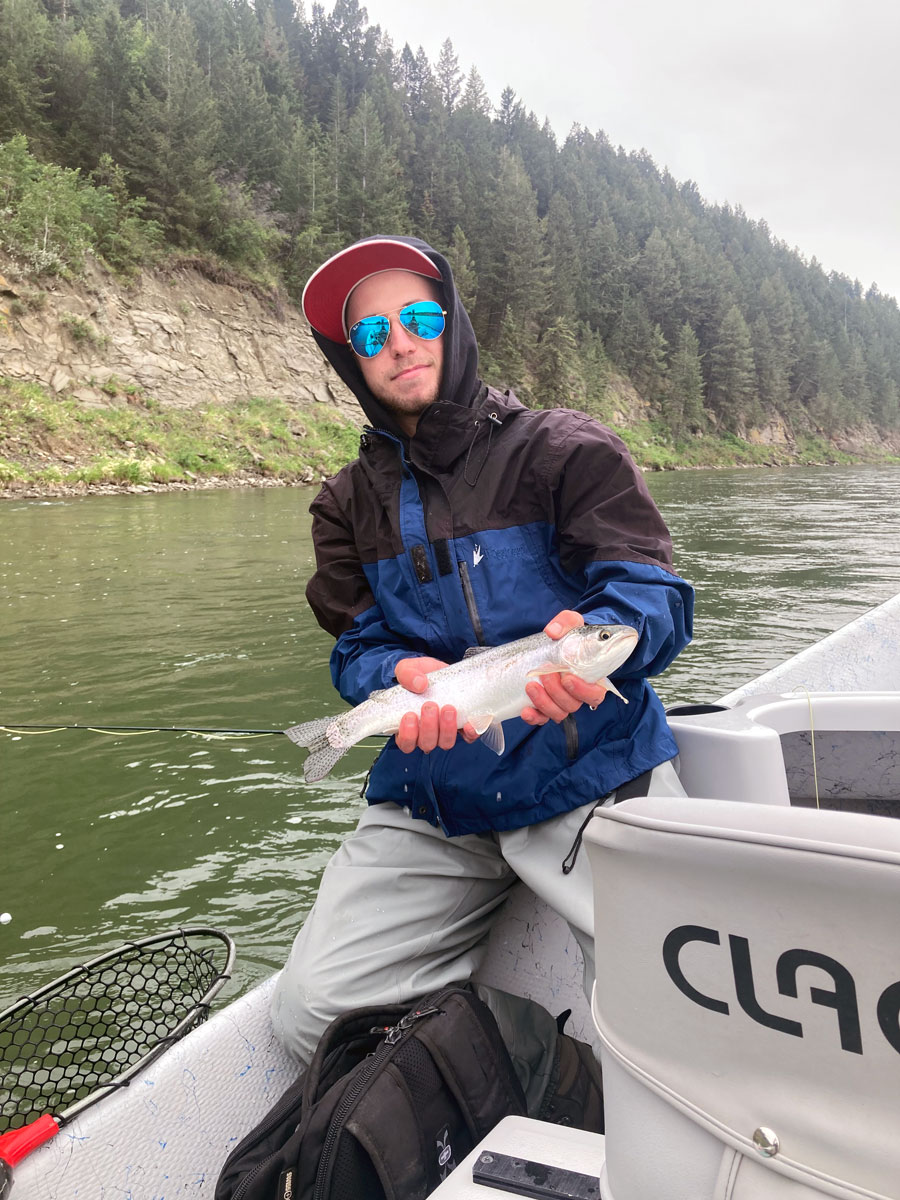
beginner fly fishing lessons on bow river with George.

The Chilly Start of Our Adventure

We met near Mackinnon Flats on June 1st, a day characterized by overcast skies and a consistent, cold drizzle. This weather, while not ideal, was pretty close to what one would hope for in early summer. However, the light breeze was enough to create a noticeable chill.

Initially, I was expecting someone closer to my age. I am seasoned—let’s just leave it at that. Surprisingly, George was a 21-year-old with a beaming smile, dressed in jeans, a light hoodie, and cowboy boots, topped with a trucker’s cap. He greeted me with a firm handshake, and I could immediately feel his excitement.

George’s Optimism and Preparations

“Great to meet you, George. Grab the rest of your gear and throw it in my truck,” I welcomed him. Amused, he replied, “This is all I brought.” I smiled and shook my head, then gestured for him to hop into the passenger seat of the Tundra. Despite my instructions to dress for the weather, George was underprepared, but I reassured him, “Not to worry, I have waders, boots, and rain gear for you.”

George’s Background and Independence

During the ride to the boat launch, I learned that George worked on the oil rigs and had recently left a Hutterite Colony. This independence was new to him, and he had left with only a few personal possessions. His spirit impressed me as he talked about his new adventures.

Convincing George to Dress Appropriately

At the launch, it only took a minute to convince George to dress appropriately. He showed a feigned reluctance while sliding on the waders and the rain jacket I offered him. After handing him a fly rod and taking a quick inventory, we set off.

Fly Fishing Lessons Begin

I anchored in a shallow run, and we began the casting lesson. Teaching beginners from the boat has always been effective, and George quickly grasped the basics. With my coaching, he worked on his casting and mending.

A Day Without Distractions

The river was exclusively ours that day. We saw no other boats at the launch that morning and no other vehicles were parked, which indicated we would likely have no interruptions. It’s rare to have a world-class trout river all to yourself.

George’s First Catch

As we drifted into a likely riffle, George executed a decent cast. “Okay, cast again about 6 feet past where my oar is pointing,” I instructed. After a big mend upstream and a floating bobber, the indicator hesitated. “Set!” I yelled. Before George could react, a sizable Bow River Rainbow trout leapt out of the water. The line went tight, and George gripped it against the base of the rod as I had shown him, but the line went slack suddenly. George erupted into laughter, thrilled by the experience. “Did you see that? I had him!” he exclaimed, clearly hooked on fly fishing.

More Success and Memorable Moments

The boat slid into a mid-river shelf where we continued our fly fishing efforts. After a few casts and corrections, George’s indicator signaled another catch. As he managed to keep the rod bent and the line tight, he skillfully allowed the fish to take line without losing touch. “Like this? Like this?!” he yelled excitedly.

George’s First Successful Catch

“Yeah, man! You’re doing great!” I encouraged. After a few more strategic maneuvers, I slid the net under the fish, and George had his first successful catch on a fly rod. “That was amazing! Just so cool! Did you see that?” he exclaimed, still vibrating with excitement.

beginner fly fishing lessons on bow river, catching a trout in net.

Reflections on a Day Well Spent

It’s true that we remember moments. George and I had an outstanding day, despite the rain and cold, and we landed several more fish. While I don’t recall many details of the rest of the day, that first fish is etched in my memory.

Inviting New Anglers

We love bringing new fly fishers into memorable moments. If one of our fly fishing adventures appeals to you, get in touch, and we’ll set you up for a great time on the water!

Fly Fishing Lessons and Adventures for Kids

By Scott Smith, Lead Fly Fishing Guide

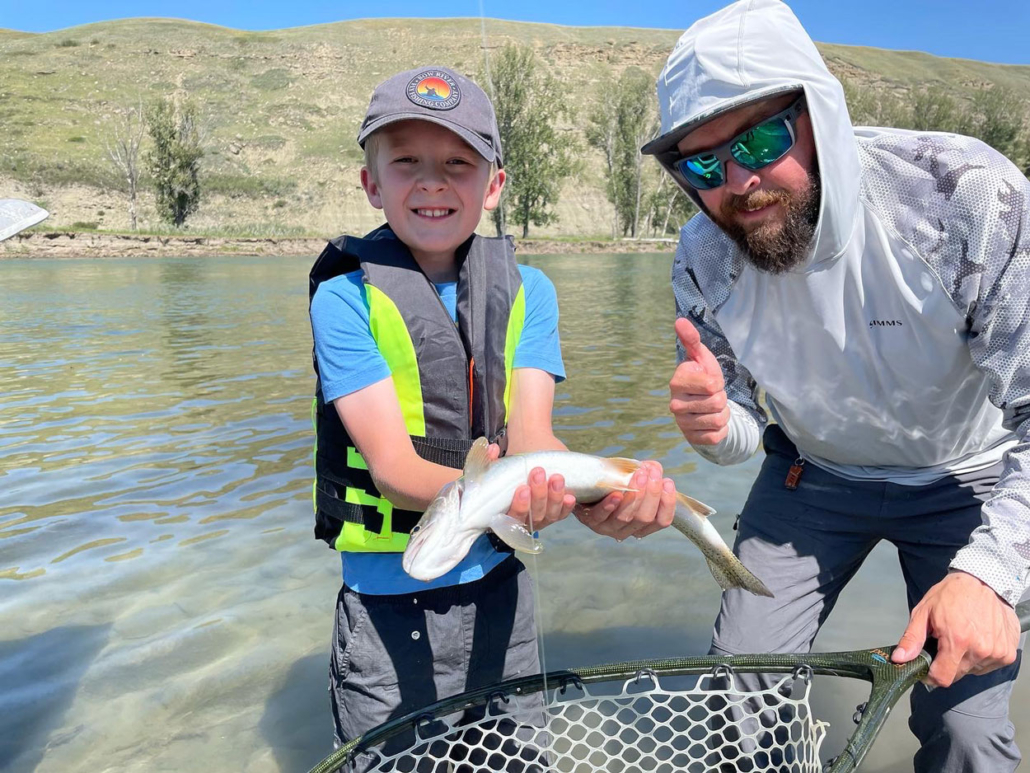
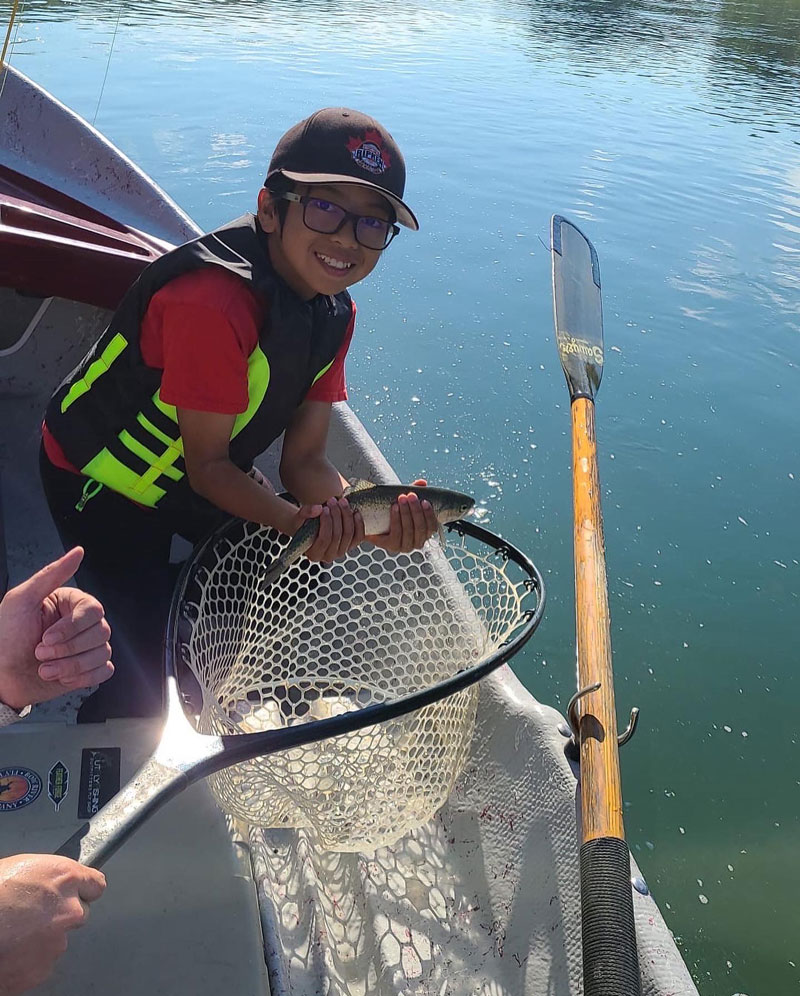
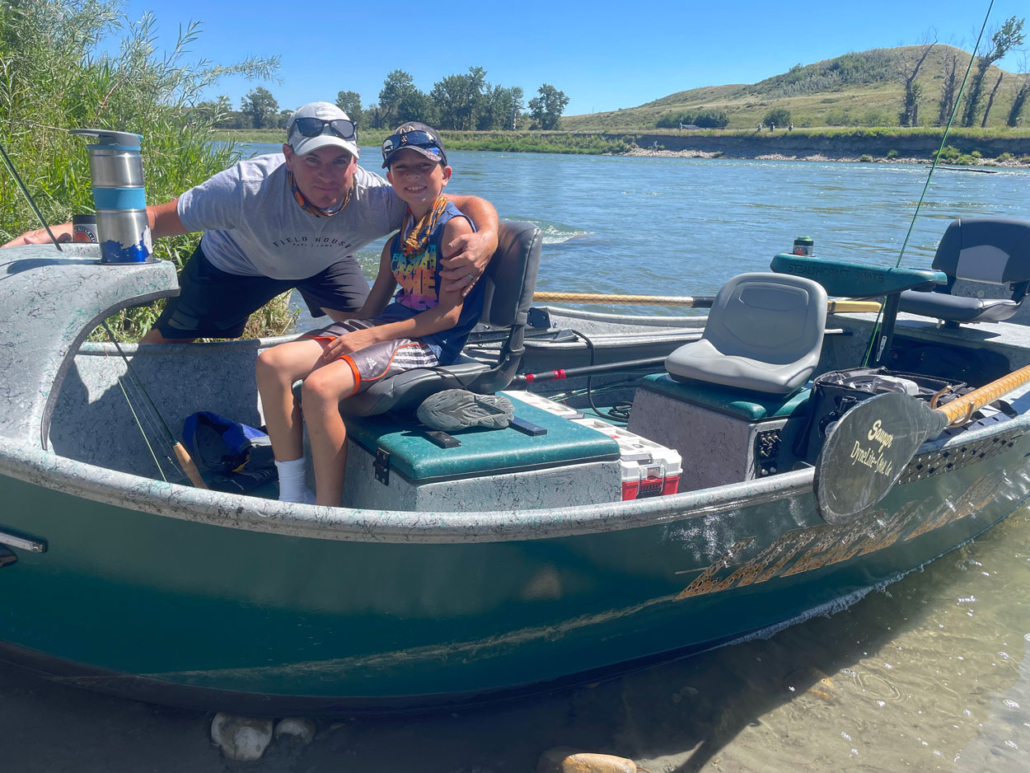
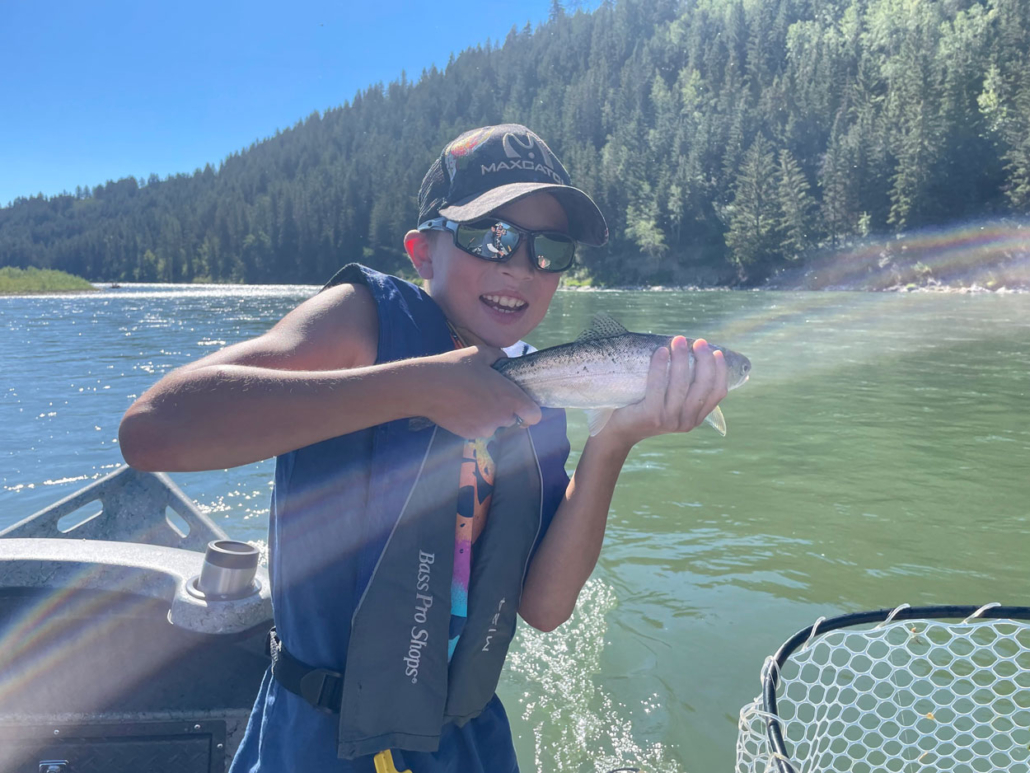
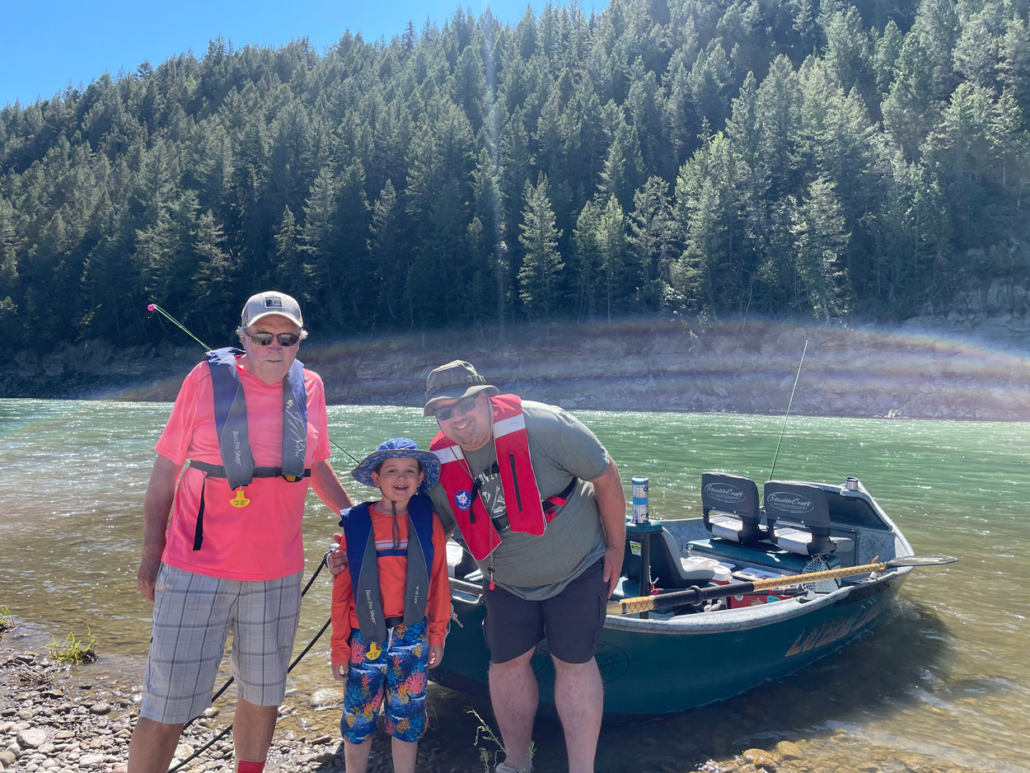
I’ve spent most of my adult life as a river guide, and I’ve seen all kinds of people come through the doors. Every now and then, though, there’s someone who catches me off guard with their enthusiasm for fly fishing. Usually, they’re kids. Six-year-olds with skinned knees who want to know how to tie on a dry fly because their uncle told them that he did it when he went fishing with his dad. This is great! Kids are the future of our sport, but if we want them to stick around for long enough to develop into lifelong anglers (or even just enjoy themselves for one weekend), we need to make sure that they have fun out on the water—and not just catch fish

Find a Mentor

You’ve probably heard the phrase, “knowledge is power.” With that in mind, it’s no wonder that so many people are interested in learning about fly fishing for kids. What your mentor has to say could be the difference between a good experience and an amazing one.

So how do you find someone who can teach you how to fly fish? You may be lucky enough to have a friend or relative who can help out. If not, consider joining a club or getting involved with an organization that promotes fly fishing for kids. There are many groups out there (like Trout Unlimited) that welcome new members every year and will encourage them to get involved as quickly as possible. If none of these options work for you, try asking around at local fly shops—they’ll know where all of their customers hang out, so they’ll likely have some leads!

Safety

Know the area you’re fishing in. Everyone should wear a life jacket when on board a boat, and this goes double for kids. It’s also a good idea to put the kids in a life jacket if you’re fishing in swift moving water.

Be sure to take care of yourself as well: don’t forget sunscreen!

Be sure to stay hydrated and bring plenty of water with you. Make sure that everyone in your group has a life jacket on, and make sure that the boats are properly equipped with first aid kits, flares, and other safety gear.

Fishing License

Fishing licenses are usually sold at sporting goods stores, fly shops, and the like. You can also get a fishing license online. The cost varies depending on whether or not you’re a resident of that province. Be sure to check your local regulations.

Licenses generally last for one year from the date of purchase. Kids and Seniors don’t generally need a license, but if you’re the adult fishing with them, you’re going to need one.

Equipment

There are a few points to remember when selecting equipment for your child. The most important is that they’re going to be able to use it themselves, so make sure anything you buy is age appropriate and fits into the size of their hands. You don’t want them struggling with too many tangled knots or having too much trouble handling their gear for fear of dropping it in the water and getting frustrated while trying to get the cast right.

There are some great beginner kits available online and at your local fishing shop. For smaller hands we use the Echo Gecko kit. I don’t have any affiliation with Echo, but we love these outfits for kids. The grip is narrow, the rod is shorter than adult rods, and it’s easy to get the line moving. Your local fly shop can point you in the right direction. However, kids can certainly use adult gear easy enough. Especially when you’re testing the waters. If you’re not sure what kind of gear would be best for your kid yet, just ask an employee who knows their stuff at the store; they can help find something suitable without breaking the bank.

Knots And Tangles

Whether it’s a loop knot or a clinch knot, you’ll need some knowledge of knots to keep your line in place.

If you’ve never tied a fishing knot before and want to learn how, don’t worry! Knot tying is one of the easiest skills to learn how to do on the fly; it only takes a little practice and patience. Once you get the hang of it, there are all kinds of different knots that can help make your fishing trip more enjoyable and successful. With some basic instruction and practice, even kids can learn how to tie on their own flies when out on the water with parents or friends for an afternoon adventure!

There are going to be tangles, lots of tangles. Your job is to be patient and remind the kids, this is all part of the process. Make sure you have lots of leaders, tippet and a pair of good snippers!

What to Bring

  • Rod
  • Leaders and Tippet
  • Flies
  • Waders (if you need them)
  • Boots or wading shoes. They’re going to get wet.
  • Bug Collector. Collect the bugs you’re imitating and make it educational.
  • Rain gear
  • Snacks and drinks

Fly fishing is a great family activity. It’s good for bonding, learning something new, and getting outside.

Fly fishing is a great family activity. It’s good for bonding, learning something new, and getting outside. In fact, there are many ways to enjoy fly fishing as a family:

  • You can teach your kids how to hold the rod correctly and give them some basic pointers about casting and then let them experiment. There are no bad casts.
  • Go where you know fish are holding. It’s great if they can see the fish. This creates a great opportunity to learn about fish behavior.
  • Focus on the process and learning something new. The fish will come.

Conclusion

Fly fishing is a great family activity. It’s good for bonding, learning something new, and getting outside. I hope this article gave you some ideas on where to start! We have lesson programs and family floats that will help accelerate the learning curve. We’d love to introduce you and your crew to our sport!

Book your flyfishing adventure today!

Discover Fly Fishing Lessons for Beginners in Alberta

By Scott Smith, Lead Fishing Guide 

Welcome to Fly Fishing!

Snake Oil and Magic Beans.

You’ll learn to wave the magic stick over the water and produce fish on every command. You will be flawless in your technique; always make the right fly choice and land every fish you encounter. Your skills will bring fish to your net every time you venture out to your favourite waters.
The truth lies somewhere in the pursuit of perfection, the peace it brings, the need to know what’s around the next corner.  At least that’s why I do it. Your reasons can be entirely something else. Somehow, that makes Fly Fishing a worthy pastime (read obsession) in my opinion.

There are some links included below, so you can explore some of the technical stuff. I can tell you, there is nothing like the real experience of a guided fly fishing excursion!

What Will I Learn on a Guided Trip?

Above all else, Have some fun! This is YOUR Day! Don’t take yourself, or us too seriously. Take lots of pictures.

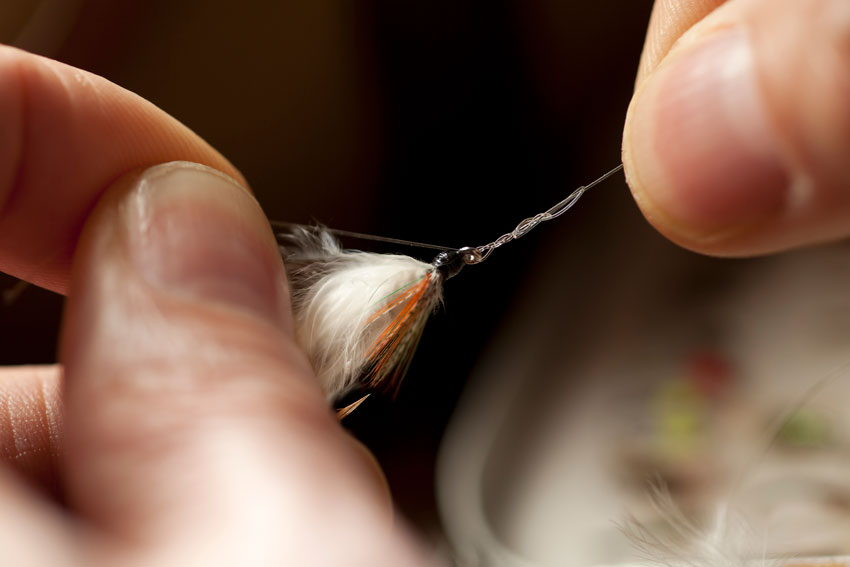
learn how to tie flies for fly fishing on the Bow River in Alberta.

Fly Fishing Knots and Line

It seems obvious, but often overlooked by new fly fishers. Knots are critical.
Read this great blog post from DriftHook.com about how to tie fly fishing knots.
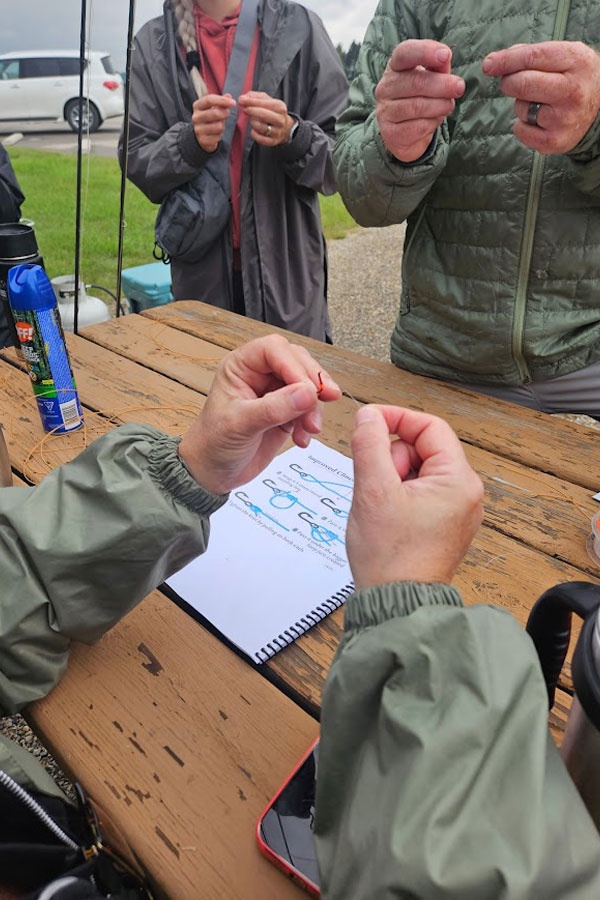
You’ll need to have a few basic knots in your tool belt. We’ll show you a few basics to tie line together and attach your flies to your line. Yes, you will practice these on your trip.
You can learn about specific knots like the improved clinch knot, blood knot, overhand knot, surgeon’s knot and the albright knot.

Many a fine trout has been lost due to a poorly tied knot. It’s never happened to me, but I’ve heard stories.

There are several knots that have no name, but often have colourful adjectives associated with them. You will become an expert at these with a simple flick of your wrist! The line will be tangled so badly and quickly, you’ll be baffled that what’s before you is actually even real!

I find a sense of humour and a decent set of snippers are critical in these situations.

Learn Fly Casting

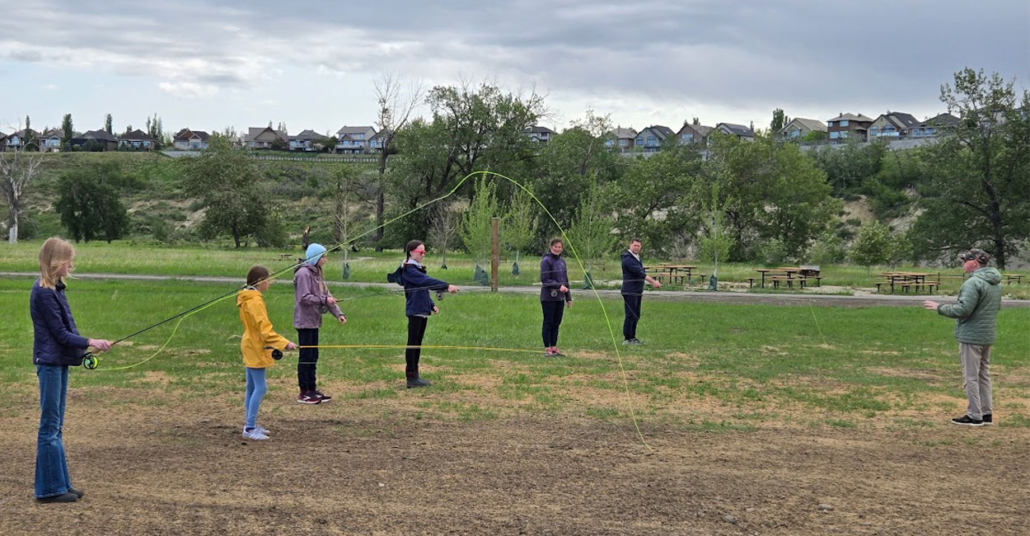
You must be able to place a fly well enough to fool your quarry. Yes, we can help you do this!

Your first few casts may appear you are trying to swat the fish away intentionally. However, with some practice and some easy-to-follow instruction, you will begin to present the fly with hypnotic precision! Well, maybe not hypnotic or even precise, but well enough to catch fish. That’s all we need on day one!

Where Are the Fish?

Yes, you are moving the line. It’s obeying and landing mostly where you want it to.  Well done! This is fantastic news and a boost to our confidence! Question, how come you’re not catching anything?

Other than seeing the fish you are casting to; you really need to know how to read the water. That is, you need to know where fish are likely to hold.

Fly casting into the water is an excellent start, but the fish are not actually everywhere in a river.

We will go through this process with you the entire trip and teach you the basics. You will be whispering in big trout in no time!

Bugs, So Many Bugs

Yes, Fly selection is important. Size, Colour, Profile, depth, season etc.

I have heard it or read somewhere that trout have an IQ of about 3.

I am not at all concerned that they fool me consistently. I like to believe I’m matching wits with Mother Nature and not just the small minded, single purposed trout. Yeah, Mother Nature is wise and I’m in sync with her.  Makes me feel better on those slow days.

You’re gonna need plenty of flies! I mean, the rainbow trout will eat one of them, right?

Learn more about which bugs Bow River Trout love and prefer throughout the season on our fly fishing resources page.

We will cover bug identification, selection and how to fish them in very basic terms. This will be enough to get you started on your journey.

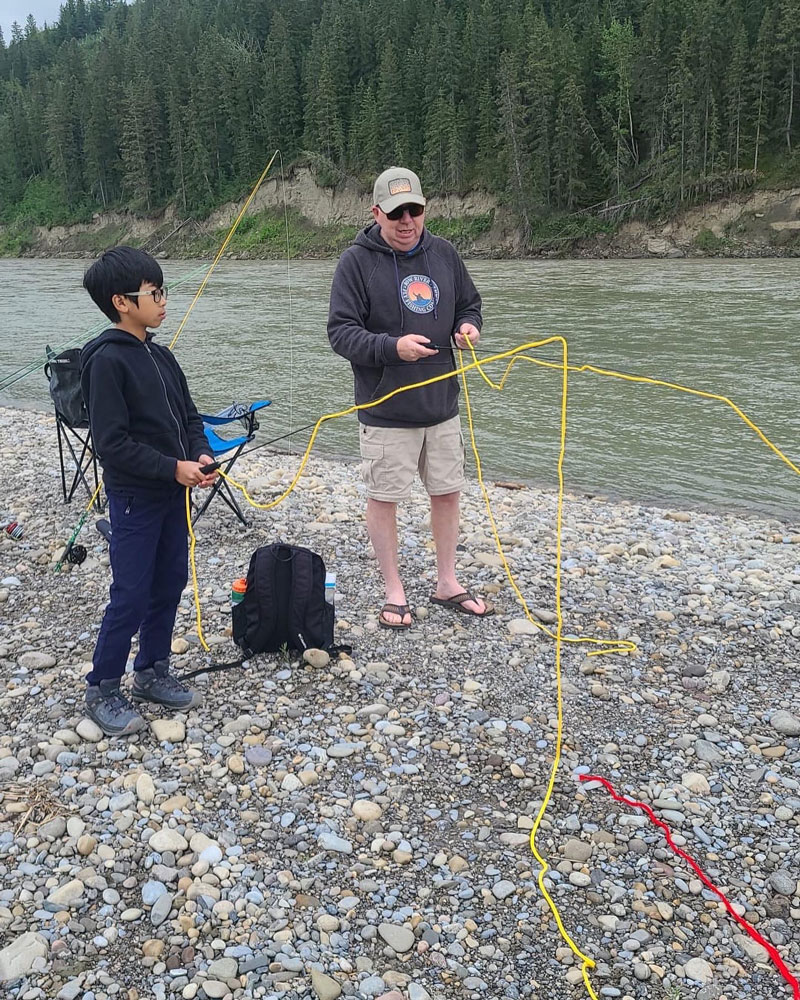
fly fishing lessons for beginners

 Join Us this Fly Fishing Season near Calgary, Alberta!

Our goal is to introduce you to a pastime that has become a lifelong pursuit for us. We want you to learn to fish and then leave us and see for yourself what’s around the next corner. Oh, and take your fly rod with you.

Book your spot for one of our guided fly fishing trips including our Beginners Float! Get one-on-one fishing lessons from one of our experienced guides and enjoy access to some of the best fishing spots in Alberta.

learn how to fly fish with guide bow river

Fly Fishing Lessons and More!

We offer a variety of fly fishing packages from half day and evening adventures to full day excursions, private shoreline fishing lessons.

We can even put the flies aside and take you on a Bow River sight seeing adventure, where you can experience the beauty of the Bow Valley and Southern Alberta, for its majestic landscapes in the foothills of the Rocky Mountains and all of its wildlife.

Learning to Fly Fish on the Bow River could be your next adventure. If so, we’d love to see you. And as always, if you have any questions about our guide services, feel free to contact us here or on social media.