Posts

Best Fly Fishing Packages in Calgary This Autumn

Why Autumn is Prime on the Bow River

Seasonal Scenery and Mild Temperatures

Autumn along the Bow River is nothing short of spectacular. As the leaves turn brilliant shades of orange, red, and gold, the riverbanks transform into a painter’s palette. Mild temperatures make for comfortable days on the water, perfect for those who prefer to avoid the summer heat or the biting chill of winter. The crisp air invigorates both anglers and fish alike, creating an ideal environment for fly fishing enthusiasts.

Calgary’s proximity to the Bow River means you can enjoy this stunning seasonal shift without a long trek. The river itself is renowned globally as one of the best freshwater trout rivers on the planet, making it a top destination for anglers seeking prime autumn fishing experiences.

Fish Behavior in Cooler Months

As the water cools, trout become more active, feeding aggressively to prepare for the winter months. This behavior makes autumn an excellent time to fish, as trout are eager to chase a well-presented fly. The Bow River’s clear, cold waters offer excellent visibility, allowing anglers to spot rising fish and tailor their approach accordingly.

Additionally, the cooler months bring about changes in insect hatches, which influence trout feeding patterns. Understanding these seasonal shifts can significantly improve your catch rate, and that’s where expert guides come in handy.

Overview of Our Fly Fishing Packages

What Sets Our Autumn Adventures Apart

Our fly fishing packages in Calgary this autumn are designed to cater to every skill level, from complete beginners to seasoned anglers looking to sharpen their skills. With access to the Bow River and nearby smaller streams like the Sheep River, Oldman River, and Highwood River, you’ll experience diverse fishing environments all within a short drive from Calgary.

Each package is thoughtfully crafted to combine expert guidance, stunning natural settings, and the thrill of fly fishing. Whether you want a relaxed half-day float or an immersive two-day boot camp, there’s something here to match your pace and passion.
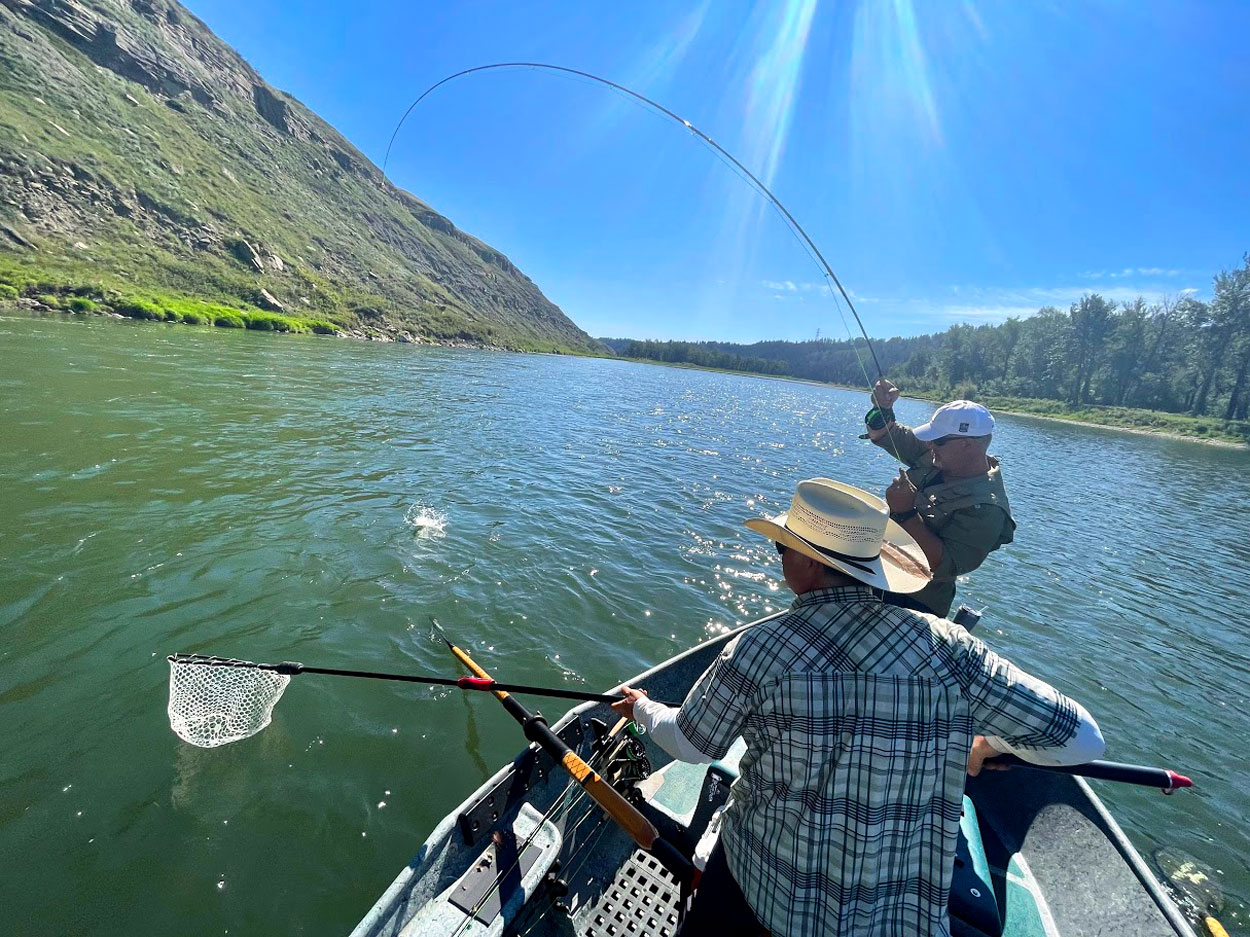
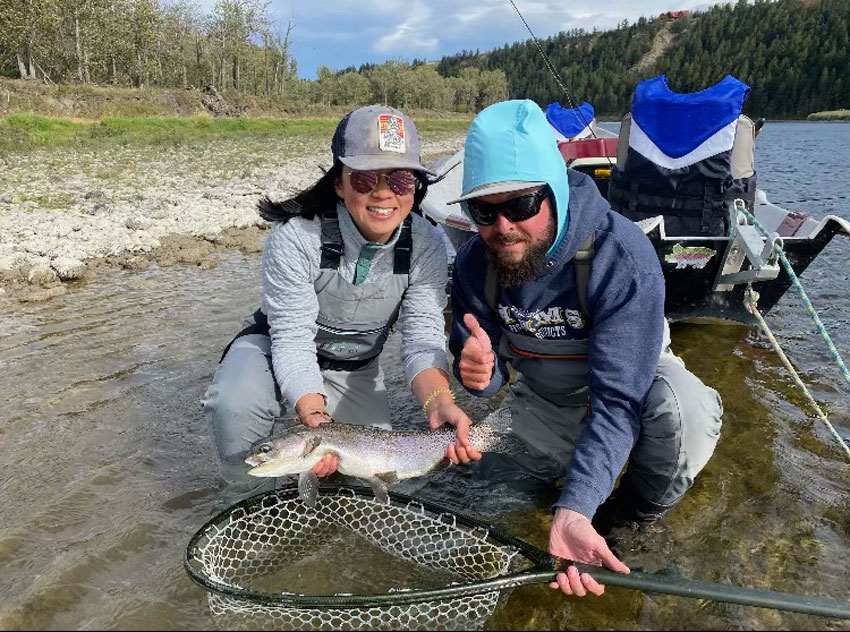
Full day fly fishing trip.

Beginners Fishing Lessons

Autumn Advantages for New Anglers

Starting your fly fishing journey in autumn offers several perks. The mild weather reduces the discomfort of learning outdoors, and the active trout increase your chances of success, which can be incredibly encouraging for beginners. Plus, the smaller crowds compared to summer mean more personalized attention from your guide.

Our beginner lessons focus on building confidence and foundational skills in a supportive environment. You’ll learn essential casting techniques, fly selection, and how to read the water—all while enjoying the peaceful autumn scenery.

Half-Day Beginner Lesson Float

Focusing on Fundamentals in Prime Conditions

The half-day beginner lesson float is perfect for those who want a comprehensive introduction without committing to a full day. Guided by experienced instructors, you’ll float down calm sections of the Bow River, practicing casting and presentation techniques in real-time.

This package offers a hands-on approach that balances instruction with plenty of fishing time. It’s an ideal way to get your feet wet and your line in the water during one of the best seasons for trout fishing.

“Level Up” Intermediate Lessons

Perfecting Skills as Fish Patterns Change

For anglers who already know the basics, our “Level Up” intermediate lessons provide an opportunity to refine techniques and adapt to the changing fish behavior of autumn. You’ll learn advanced casting methods, reading subtle cues in the water, and selecting flies that match the season’s insect activity.

These lessons are tailored to help you increase your catch rate and enjoy the challenge of fishing during a dynamic time of year. Plus, the expert guidance ensures you’re fishing smarter, not harder.

Walk & Wade Alberta’s Rivers

Why Autumn is Ideal for Walk & Wade Trips

The Walk & Wade fishing experience offers a more intimate connection with Alberta’s rivers. Instead of floating downstream, you’ll explore wade-friendly sections of the Bow River and nearby streams like the Sheep River, Oldman River, and Highwood River. This style of fishing allows for stealthy approaches to trout, often yielding better results.

Autumn’s lower water levels and cooler temperatures make wading safer and more comfortable. Plus, the peaceful surroundings and stunning fall colors create a serene backdrop for your adventure.

Each of these rivers offers unique characteristics:

  • Sheep River: Located about 45 minutes southwest of Calgary, the Sheep River is known for its clear waters and healthy populations of rainbow and brown trout. Its smaller size makes it perfect for walk & wade trips that emphasize technique and stealth.
  • Oldman River: Roughly two hours south of Calgary, the Oldman River offers a more rugged fishing experience with larger trout species and diverse habitats. It’s a great choice for anglers looking to explore beyond the Bow River’s boundaries.
  • Highwood River: About an hour’s drive west of Calgary, the Highwood River is famed for its scenic mountain views and excellent cutthroat trout fishing. Its varied flow and structure provide exciting challenges for walk & wade enthusiasts.

Walk & Wade trips guided by Bow River Fly Fishing Company emphasize personalized instruction and access to less crowded waters, enhancing your autumn fly fishing experience.

The Bow River Boot Camp (Two Days)

Benefits of Two Consecutive Days in Fall

The Bow River Boot Camp is an immersive two-day experience designed to accelerate your learning and maximize your time on the water. Autumn’s consistent weather and active fish make it an ideal season for this intensive approach.

Spending consecutive days fishing allows you to apply lessons learned immediately, observe changing conditions, and develop a deeper understanding of trout behavior. It’s a fast track to becoming a more confident and skilled angler.

Immersive Learning During Peak Fishing

This package combines classroom-style instruction with hands-on fishing, covering everything from fly selection to advanced casting techniques. The fall season’s dynamic insect hatches and feeding patterns provide a rich learning environment, ensuring every moment on the river is packed with insight and opportunity.

Full-Day Fishing Adventure

Making the Most of Shorter Days

Autumn days are shorter, but that doesn’t mean less fishing time. Our full-day fishing adventure is carefully timed to make the most of prime daylight hours, starting early and wrapping up with plenty of daylight to spare.

This package offers a balanced mix of floating and wading, allowing you to experience different parts of the Bow River and its surroundings. With expert guides leading the way, you’ll have ample opportunity to catch trout while soaking in the breathtaking fall scenery.

Half-Day or Evening Adventure

Scenic Sunsets and Cool Evenings on the Water

For those with limited time or who prefer a more relaxed pace, the half-day or evening adventure is a perfect fit. Autumn sunsets along the Bow River are truly magical, casting golden light over the water and creating an unforgettable fishing atmosphere.

Evening fishing can be especially productive as trout often feed more actively during cooler twilight hours. Coupled with the peaceful ambiance of the river at dusk, this package offers a memorable way to end your day in Calgary’s great outdoors.

…ienced angler looking for new challenges, Calgary’s autumn fly fishing packages offer something special. With world-class rivers, expert guides, and stunning seasonal beauty, your next fishing adventure is just a cast away.

Large Group & Corporate Outings

Team Building in Calgary’s Autumn Wilderness

Autumn in Calgary offers the perfect backdrop for large group and corporate fly fishing outings. The crisp air, vibrant fall colors, and tranquil waterways create an ideal setting for team building that goes beyond the usual conference room experience. Whether your group is looking to strengthen bonds or simply enjoy a day of outdoor adventure, fly fishing packages around Calgary provide a unique blend of relaxation and challenge.
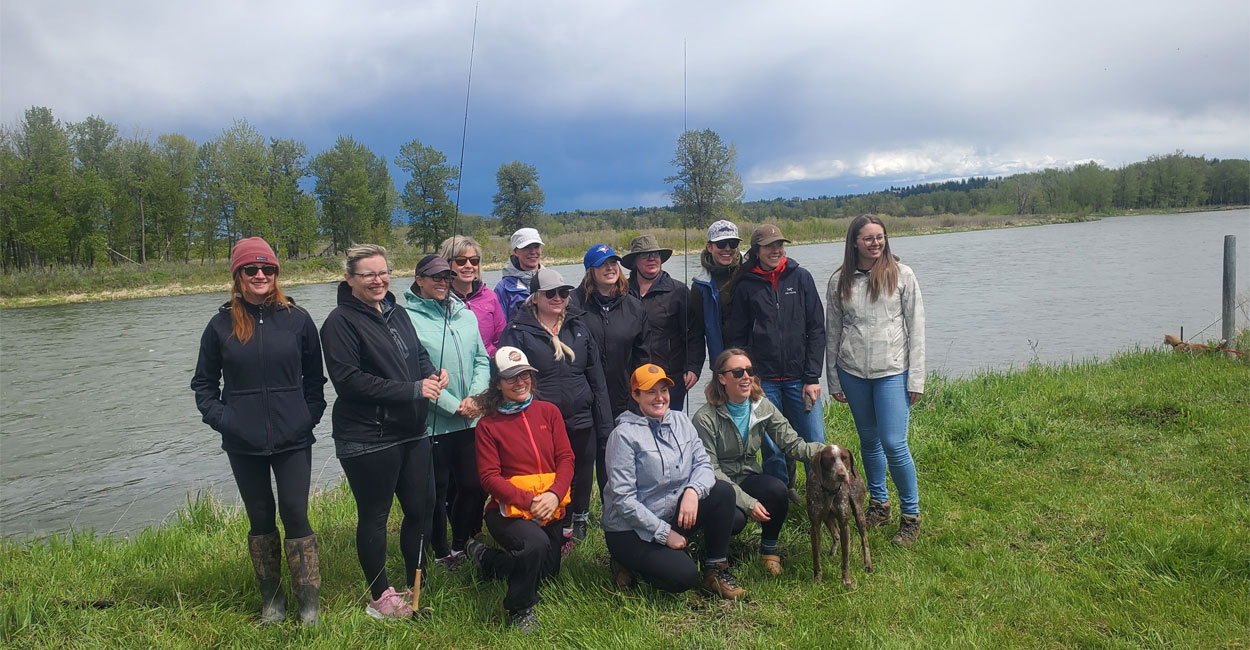
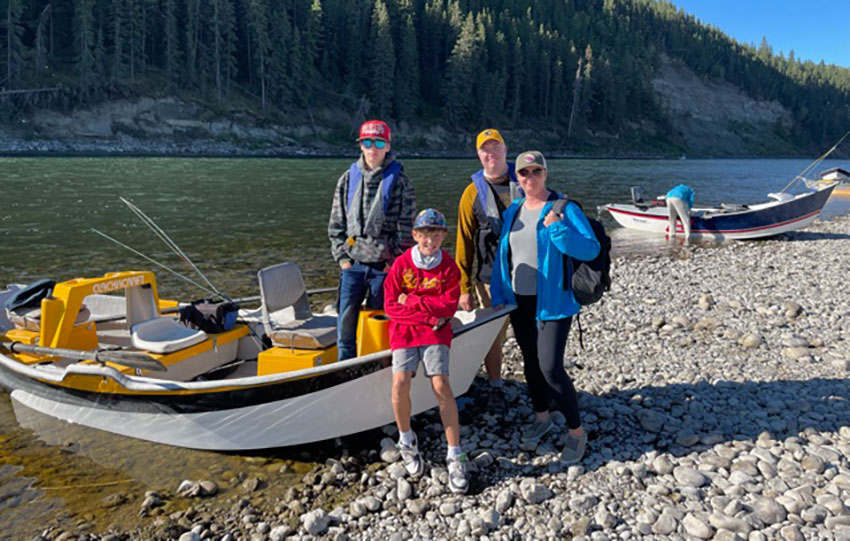
Corporate fly fishing trip with bow river fly fishing.

Many companies choose the Bow River Fly Fishing Company for their outings, thanks to their expert guides and tailored experiences. Located just a short drive from Calgary, the Bow River is world-renowned as one of the best freshwater trout rivers on the planet, making it a prime destination for both novice and experienced anglers.

Wildlife Viewing and Fall Colors for Groups

Aside from fishing, autumn is a spectacular time for wildlife viewing. Groups often spot deer, eagles, and other native species along the riverbanks. The surrounding foliage bursts into fiery reds, oranges, and yellows, enhancing the scenic beauty and making every cast feel like part of a postcard. This immersive natural experience adds a memorable layer to any corporate retreat or group outing.

Gift Certificates for Fall Fishing

Giving Memories During the Best Season

Looking for a gift that stands out? Gift certificates for fly fishing trips in Calgary are an excellent choice, especially during autumn. They offer the recipient a chance to explore Alberta’s stunning waterways and enjoy the peacefulness of the season. The Bow River Fly Fishing Company, celebrating its ninth year, has introduced new fly fishing trips that make gift-giving both thoughtful and adventurous.

Whether it’s for a birthday, anniversary, or just a special surprise, these certificates can be redeemed for guided trips that include gear, expert instruction, and access to some of the best fishing spots in the region. It’s a gift that promises memories and stories for years to come.

What’s Included in Every Package This Autumn

Gear, Guides, and Local Knowledge

Every fly fishing package in Calgary’s autumn season includes top-quality gear and the expertise of seasoned guides. Bow River Fly Fishing Company provides all necessary equipment, from rods and reels to flies tailored for the season’s trout behavior. Their guides bring decades of local knowledge, ensuring you fish the right spots at the right times.

Understanding the nuances of Alberta’s rivers is crucial, especially as water temperatures drop and fish patterns shift. Guides help anglers adapt their techniques, making the difference between a good day and a great day on the water.

Safety and Comfort for Changing Weather

Autumn weather in Calgary can be unpredictable, swinging from sunny and mild to chilly and wet. Packages include safety gear and advice on layering clothing to keep comfortable throughout the day. Waders, boots, and weather-appropriate apparel are part of the outfitting, ensuring that anglers stay warm and dry.

Guides also prioritize safety, monitoring river conditions and weather forecasts closely. This vigilance allows for a flexible itinerary that maximizes fishing time while minimizing risks, so you can focus on enjoying the experience.

Booking Your Trip and What to Expect

Planning for Peak Fall Conditions

Autumn is a peak season for fly fishing in Calgary, with increased angler interest reflected in online searches and bookings. To secure your spot, it’s wise to book well in advance, especially for weekends and group outings. The Bow River Fly Fishing Company’s website offers an easy booking system for their walk-and-wade and boat trips, with clear information on availability and package options.
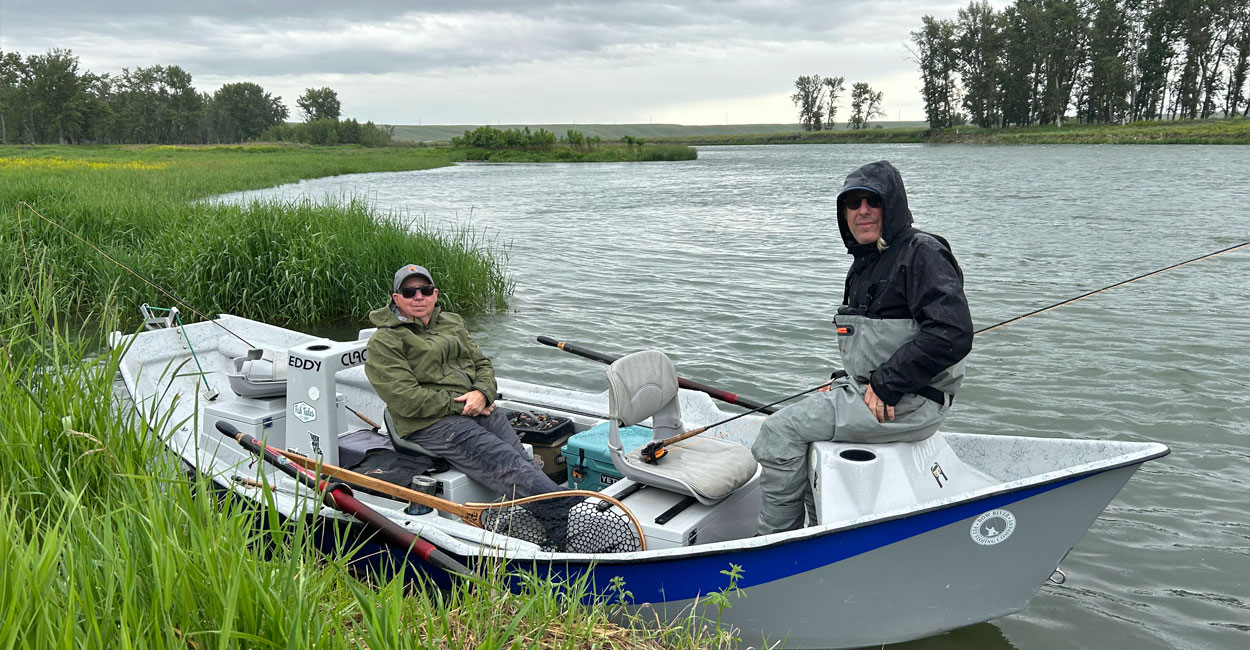
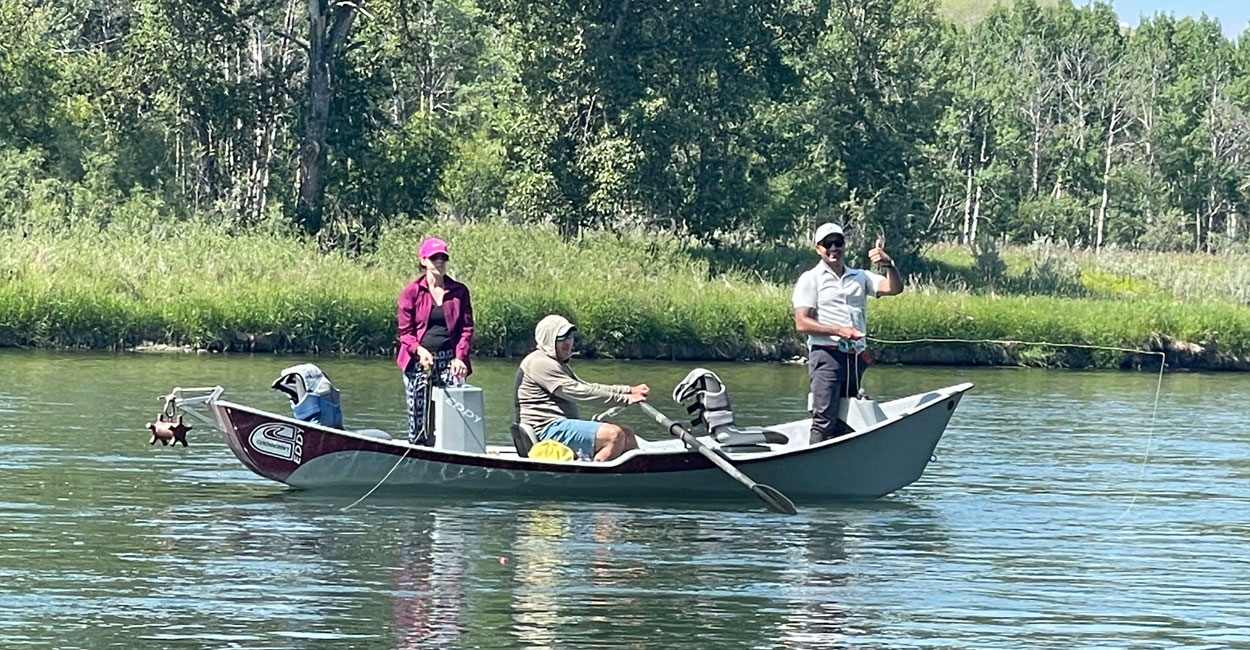
Autumn half day fishing trip.

Expect cooler mornings and evenings, with fishing often best during mid-day when fish are more active. Guides will advise on the best times to fish and the flies to use, ensuring you’re prepared for the seasonal shifts.

Communicating Preferences and Special Requests

When booking, don’t hesitate to communicate any special requests or preferences. Whether you’re celebrating a milestone, have dietary restrictions for included meals, or want to focus on a particular river or fish species, the team is happy to accommodate. Their goal is to create a personalized experience that matches your group’s interests and skill levels.

Clear communication helps guides prepare the right gear and plan the most rewarding routes, enhancing your overall trip satisfaction.

Autumn Fishing Ethics and Conservation

Catch-and-Release Best Practices

Respecting the environment is a cornerstone of fly fishing culture, especially on Alberta’s prized rivers. Autumn is a sensitive time for trout as they prepare for winter, so catch-and-release practices are strongly encouraged. Proper handling techniques minimize stress on the fish, helping preserve healthy populations for future seasons.

Guides demonstrate how to carefully unhook and release fish, emphasizing quick and gentle methods. This stewardship ensures that the Bow River and its neighboring waterways remain sustainable fishing destinations.

Respecting Seasonal Regulations

Each river has specific regulations that protect fish habitats and spawning cycles. In autumn, certain areas may have restrictions or seasonal closures to safeguard trout during critical periods. It’s important to follow these rules, which guides will explain before and during your trip.

Adhering to regulations not only preserves the ecosystem but also enhances the quality of your fishing experience by maintaining balanced fish populations.

Watch our video below!

Frequently Asked Questions About Autumn Trips

What Do I Need to Pack for a Fall Fly Fishing Adventure?

Packing for autumn fishing in Calgary means preparing for variable weather. Essential items include layered clothing, waterproof jackets, insulated gloves, and a warm hat. Even if your package provides waders and boots, bringing comfortable base layers and quick-dry shirts is recommended.

Don’t forget sunscreen and polarized sunglasses to reduce glare and protect your eyes. A small backpack for snacks, water, and personal items will keep you comfortable throughout the day.

How Can I Book for the Best Autumn Fishing Experience?

To enjoy the best fly fishing packages this autumn, aim to book your trip at least a few weeks in advance. The Bow River Fly Fishing Company’s popularity, especially during peak fall colors and optimal fishing conditions, means spots fill quickly. Early booking also allows for better customization of your experience, ensuring guides can tailor trips to your group’s needs and preferences.

Late September through October is generally the prime window, when trout are actively feeding before winter and the scenery is at its most vibrant.

Fly fishing in Calgary this autumn offers an unforgettable blend of sport, nature, and camaraderie. With expert guides, flexible packages, and stunning rivers like the Bow, Sheep, Oldman, and Highwood, anglers of all levels can find their perfect adventure. Whether you’re planning a corporate outing, gifting a memorable experience, or seeking a personal escape, Calgary’s fly fishing scene is ready to welcome you this fall.

Ready to make your autumn one to remember? Book your trip with Bow River Fly Fishing today and let’s get you on the water!
How Fly Fishing Supports Mental Health: A Personal Perspective from the River

A Personal Take on Mental Health

by Scott Smith, Lead Fly Fishing Guide

We hear a lot about mental health and how important it is. I’ve always found this hard to quantify. I have good moments and not so great moments every day. In my previous work life, prolonged periods of stress just became the normal part of my daily routine. I never realized the negative effects of being “on” all the time and accepted the way it was, as normal. I tend to equate mental health with stress levels and I’m certainly no expert. I do, however, know where I like my thoughts to be and what brings me peace.

Why Fly Fishing?

Fly fishing has always given me a great release. In the beginning I couldn’t tell you exactly why I enjoyed it so much but I suppose it was the tug on the line that kept me coming back, but it’s so much more. I can’t tell you what fly fishing will do for your mental health, but now that I’ve been at it for many years as a fly fisher and the last nine years as a guide and teacher, I can make some observations you might identify with. Maybe fly fishing can be your escape or temporary release.

The Therapeutic Cast

The fly cast is therapeutic. The focus on the right mechanics and the pursuit of the perfect cast through repetition and finding control relaxes the brain and the body. Some days the fish just don’t matter and practicing the cast either while I’m fishing or on the soccer field puts me in the moment. Everything else disappears.

Mental Health On The Bow

Cracking the Code and Solving the Puzzle

Cracking the code takes focus and problem solving skills. What are the fish eating? Where in the water are they holding? What is the right fly choice? What is the best way to present the fly? Asking questions, observing the environment and deciding on the approach can be wonderfully complex and all encompassing. I love figuring it all out, especially on water I’ve never fished before.

The Joy of Anticipation

Anticipation is a big part of the excitement. Anticipation for the next trip, the next bite, what’s around the next corner, who I’m fly fishing with etc. Fly fishing is all about the anticipation for big and small moments. You never know which ones will create lasting memories.

Fly Fishing With Friends

Preparation as Meditation

Preparation for the day. This one isn’t for everyone, but I love organizing my fly boxes, making sure my leaders are fresh, my rigs are solid and the drift boat is washed, packed and ready. When I’m preparing to guide, it just reminds me I’m here and I get to work at what I love doing. For me the preparation is a big piece of the anticipation of what’s to come.

Watching the Water: Stalking Rising Fish

Stalking rising fish. I love to just observe rising trout to discover their rhythm, what they’re feeding on, how they move and turn on their prey. I learn so much and my brain stays completely focused and on task.

Reading While Fishing

Learning Through Reading

Reading. There is so much history to discover in this sport and so many great authors have captured the beauty of fly fishing along with the great teaching books. I love taking new to me ideas and applying them on the river. I’m always learning and taking steps to improve as a fly fisher, a guide and a teacher. The journey to be better and continue learning will never end.

Time with People

While guiding and out with friends it’s all about some good laughs and celebrating the wins. We’re learning, hooking a few fish, taking in the landscape and just enjoying the vibe of the day. The best days are the ones that end with someone exclaiming, “Damn I needed that!”

Watching Water

Time without People

Sometimes I don’t tell anyone that I’ve even gone fishing. I head out with Hopper (the dog) and we just explore and fish. No one around, No Social Media Posts, No Pictures. Hopper often gets back in the truck at the end of the day with a satisfying sigh that says “Damn I needed that!”

Your Own Fly Fishing Story

You’ll have your own reasons to pick up a fly rod. If you haven’t experienced it, try it. If it’s been a while, dust it off and head to the river. All I know is I’m never disappointed by a day outside, especially with a fly rod by my side.

Deep Water Nymphing: A Guide’s Perspective

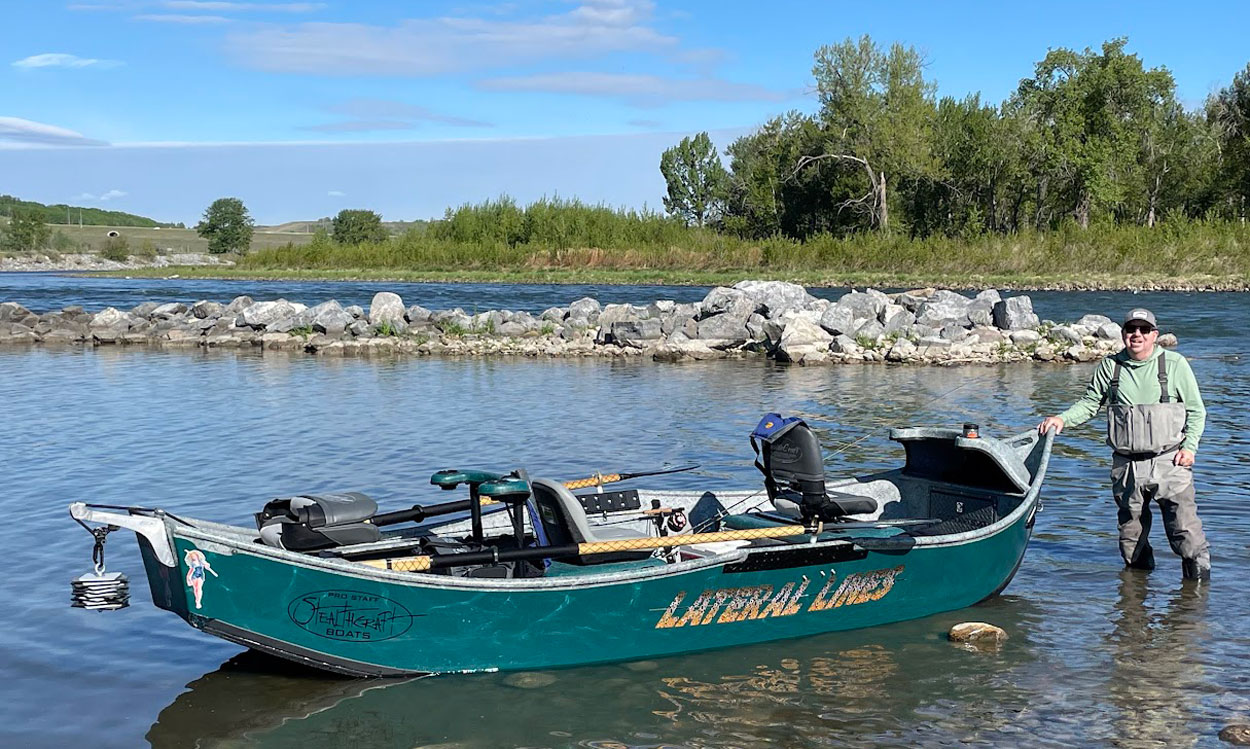
Drift boat fly fishing in southern Alberta.

Mastering the Art of Deep Water Nymphing on the Bow River

By Scott Smith, Lead Guide

We are fortunate to have a damn fine fishery on the Bow River. Like many larger rivers, we enjoy opportunities to fish our choice of methods and experience success. As an outfitter, our little operation works with a lot of pure first-timers, and I like starting new fly fishers with Deep Water Nymphing.

Why Deep Water Nymphing Works for Beginners

A Simple Approach to Fly Fishing Success

I start guests off by teaching a water-loaded, tight-line flip cast (I made that up, but that’s how it looks to me). Guests pick it up very quickly, and we’re headed down the river in short order. Many other guides teach the same way, and it certainly isn’t anything I invented. Rod movement, line placement, and mending mechanics get easier as the float progresses. Our new, or mostly new, fly fishers are hooking trout and building confidence as we go. Most importantly, they’re having a great time!

Avoiding Casting Frustration

Earlier in my career, I chose to start new fly fishers with some dry-land casting the way I was taught. Rod stop, acceleration, tight and tailing loops….blah, blah, blah….No fun at all. Mostly confusing and a recipe for guest frustration. Yes, we need to learn good casting skills, but not on a rookie float.

Get the line in the water, hook a few fish, and leave guests motivated to learn more. Proper casting mechanics be damned!

Deep Water Nymphing Techniques for Experienced Anglers

The Difference Between Wading and Drift Boat Nymphing

We also see many local folks who just haven’t had any “luck” on the Bow River but definitely have casting skill and know their way around a drift. There is a difference between wading and nymphing from the drift boat.

  • Drift boat nymphing: The boat is moving, and the guide compensates for current speeds to help that indicator float Au Natural.
  • Wading nymphing: The wading angler has more work to do—breaking down current lines, changing angles, adjusting depths, mending continuously, and controlling rod movement for a good presentation.

The Best Deep Water Nymphing Setups

Let’s start with some set ups. During lessons we work on some basic rigging. There is no magic to our deep nymph lines and the guides I work with all have different variations they prefer. I am going to share what works for my guests to put fish in the net.

Rig #1: The Barrel Swivel Rig

One of my go-to setups involves:

  • A #7 barrel swivel with split shot added above it as needed.
  • 16” to the first fly and another 10” to 12” to the point fly.
  • A meaty top bug (e.g., wire worm, chenille worm, wooly bugger, leech, etc.) secured with a non-slip loop knot on the first bug to secure it to the swivel and to the point fly. This way the top bug is presented in line and tangles are reduced.
  • A smaller point fly (sizes 12-20 tungsten beads) that reflects the dominant bug of the season, such as Pheasant Tails, Brown Hare’s Ears, Olive Hare’s Ears, Prince Nymphs, Frenchies (Pats Rubber Legs, TJ Hooker, will often be the top bug during stone fly season or high water).

Bow River Fly Fishing Nymphing - Deep Nymph Rig

Rig #2: The Drop Shot Rig

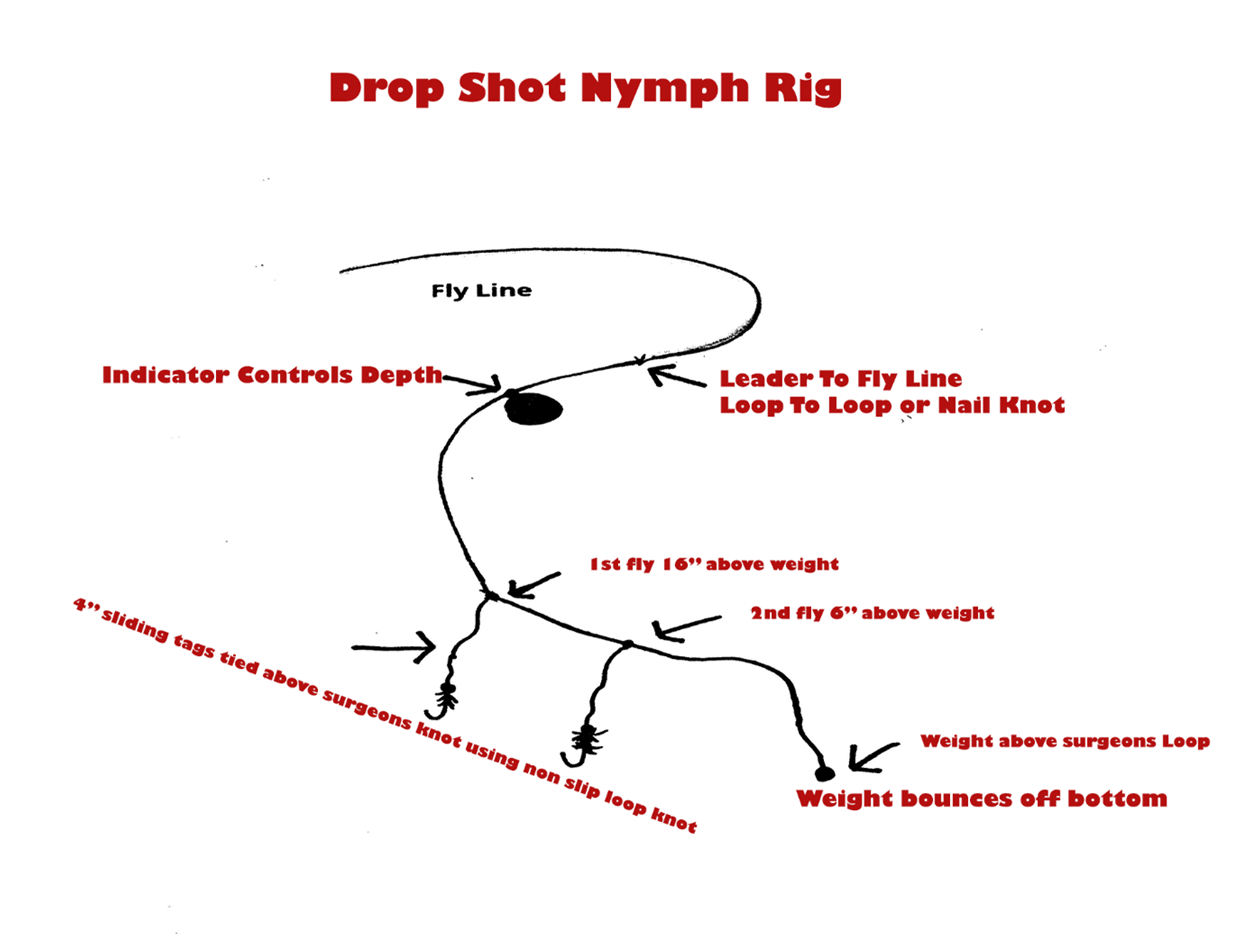
The drop-shot rig is another effective setup but is more prone to tangles, especially for first-time fly fishers. The key benefits include:

  • Triple surgeon’s knots to create tags no longer than 4 inches. I will tell you straight up, I don’t use this often because it often tangles like crazy with first time fly fishers.
  • A more consistent depth during the drift.
  • The ability to adjust flies based on fish preference—if one fly is working better, we swap the other accordingly.

Keep in mind, we’ll often experience fish taking one bug over the other, so If we’re having a tangly day, I’ll just take the other bug off the line. But, if we’re managing the rig well, I’ll either put the same bug in a different size, or adjust to something completely different.

Bow River Fly Fishing Nymphing - Drop Shot Nymph Rig

Choosing the Right Flies for Deep Water Nymphing

Seasonal Bug Selection and Hatch Charts

I’m on the water nearly every day, and patterns develop. Sometimes this is a good thing and sometimes it means I get blinded by what I’m supposed to know. Observe and fish to what is, not what you think it should be.  But even for seasoned anglers, a hatch chart is your best friend. It helps predict the dominant bug pupa for the season, even if no hatch is currently happening.

One of my favorites? A brown hare’s ear as a point fly because Caddis Pupa are present from May through October.

Adapting to Water Conditions

Water conditions fluctuate due to dam management, rain, or both. These conditions impact what’s drifting in the river:

  • Murky, high water: Dislodged leeches, aquatic worms, stoneflies—so try a Wire Worm or Wooly Bugger dead drifted.
  • Stable water levels: Follow the hatch chart and match dominant seasonal bugs.

Adjusting Depth and Weight for the Perfect Presentation

Finding the Right Depth

On the Bow River, I use deep nymph rigs for water deeper than 4 feet. For slower water under 4 feet, these rigs tend to snag more, so I prefer a hopper-dropper or naked nymph setup.

Adjust your indicator depth often, especially while wading. When fishing a drop-off shelf:

  • Use a shallower setup at the transition.
  • Deepen the rig as you fish the heart of the run.

Fine-Tuning Your Weight

If fish are holding in the run but not biting, you may not be deep enough. Adding weight helps get flies in the strike zone faster.

On the other hand, if your rig snags constantly, you may be too heavy. A little trial and error go a long way.

Mastering Line Control and Drift

Tips for a Natural Drift

  1. Shorter casts = more control. Move your feet instead of making long hero casts.
  2. Keep your rod high and follow the indicator with the current.
  3. Mend as needed, not just once. Adjust and move the rod downstream with the drift.
  4. Vary casting angles and drift lanes. Repeating the same drift with no success? Change it up!
  5. Set on everything! If your indicator twitches, hesitates, or moves sideways—set the hook!

Summary: Why Deep Water Nymphing Works

Deep Water Nymphing is a highly effective method for both beginners and experienced anglers on the Bow River. By using the right rigs, fly selection, depth adjustments, and line control techniques, you can consistently hook trout and improve your success.

Book Your Fly Fishing Adventure Today!

There’s no substitute for time on the water! Whether you’re a beginner looking to hook your first trout or an experienced angler refining your deep-water nymphing skills, a guided trip can make all the difference.
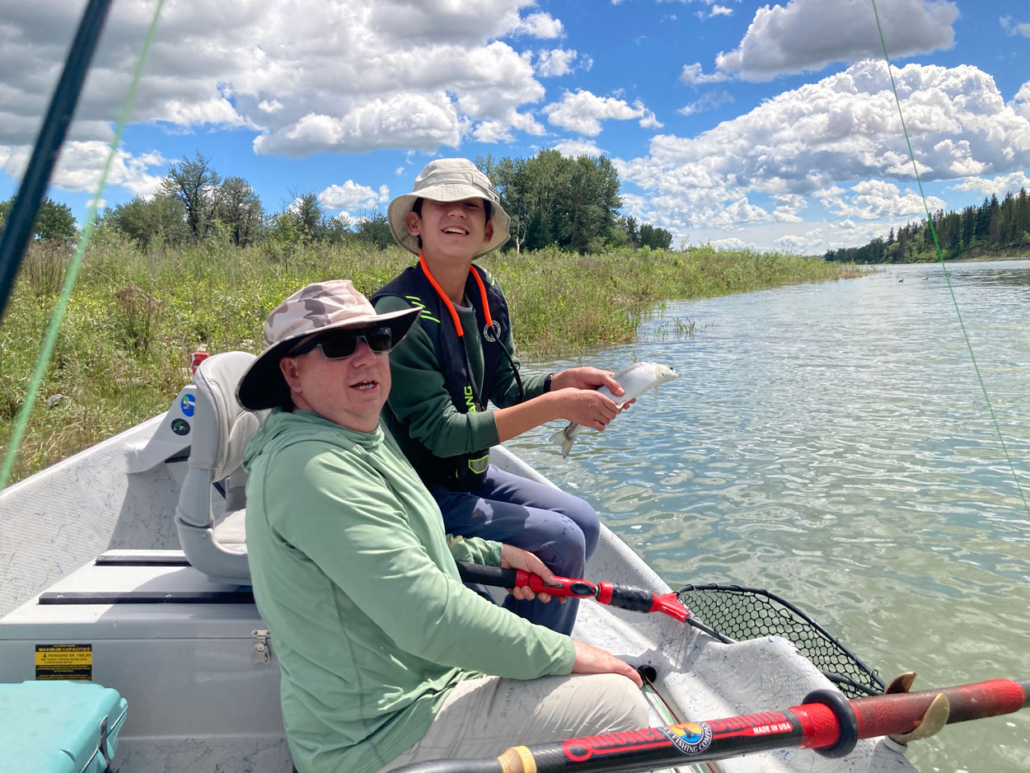
Book your trip today and let’s hit the Bow River!

Learn more about our beginner lessons, guided trips, and educational resources.

Unlocking the Secrets of Bow River Fly Fishing: Timing, Strategy, and Observation

bow river guide scott smith

By Scott Smith, Lead Guide

The Most Common Fly Fishing Questions Answered

When is the best time of day to fish? What about the best time of year? How can I improve my casting? Which flies work best? Where should I cast my fly? Where is the best fishing on the Bow River? These are the most common questions we receive as outfitters during booking conversations and while guiding. Understanding the answers requires more than just memorizing techniques—it’s about observing patterns, conditions, and trout behavior.

The Importance of Asking “Why” in Fly Fishing

You’ll find endless “How-To” videos, articles, and expert content on becoming a better fly fisher. In the off-season, we spend a lot of time consuming this information, looking for ways to improve as anglers, guides, and teachers. However, the most valuable habit we’ve developed is asking why.

Why is this the best time of year to fish? Why is this fly working today but not yesterday? Why is my cast missing the target? These questions lead to deeper insights and a more strategic approach to fishing.

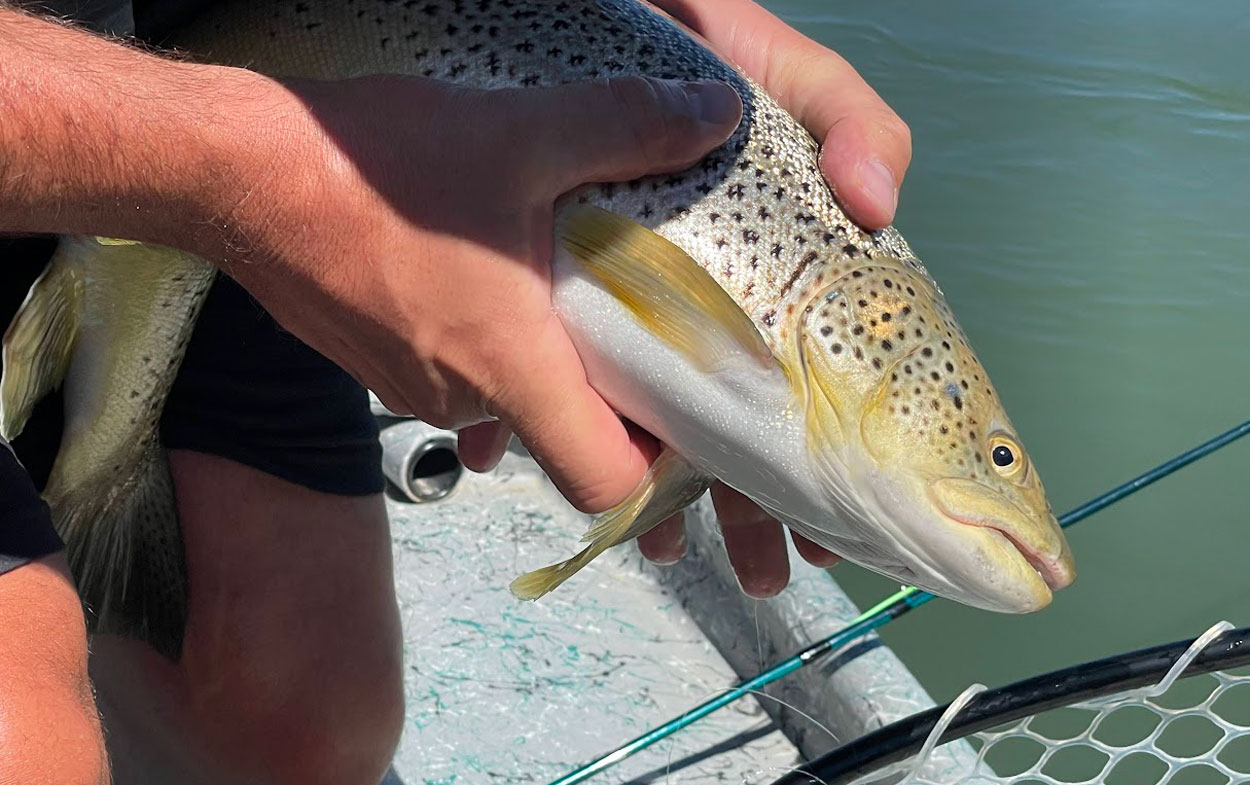
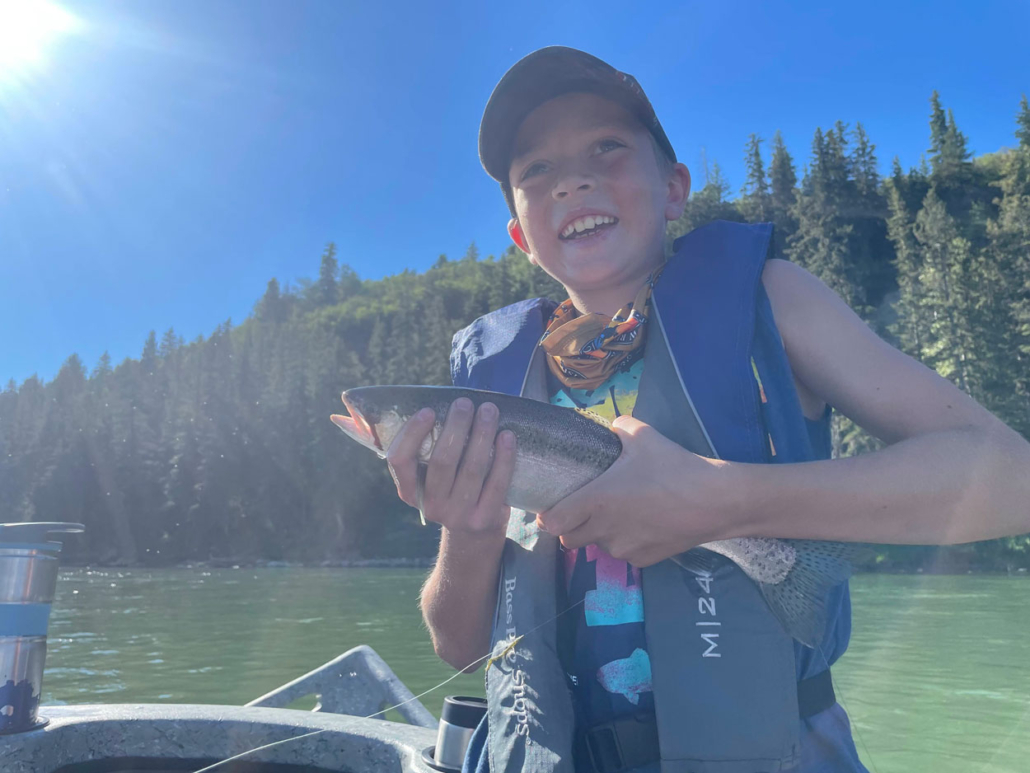
rainbow trout bow river in drift boat.

Understanding Trout Behavior on the Bow River

When we’re floating the river daily in different conditions, there’s no single correct answer to catching trout. To be effective anglers, we need to observe and anticipate the connections between our fishing environment and how trout react.

Trout are always reacting to their environment, responding to subtle changes. Keep in mind that river conditions are temporary and change quickly. On a big river like the Bow River, it’s important to focus on factors like current speed, depth, and bottom structure. These help isolate trout behavior in specific locations.

Additionally, out-of-water conditions—such as cloud cover, barometric pressure, and precipitation—can trigger bug activity, which in turn influences feeding behavior. We might be fishing a deep nymph rig with success on one side of a seam, while another angler a few feet away is hooking fish on a dry fly near the bank. This illustrates how different trout behaviors can exist within a short distance.

catching trout drift boat bow river

The “Level Up” Fly Fishing Course: Elevate Your Skills

To help anglers make better observations and decisions, we created our intermediate Level Up Course. This course encourages students to:

  • Build a fishing plan
  • Experiment with new techniques
  • Analyze trout behavior
  • Find the most effective way to adjust tactics

Once you get the hang of it, you’ll instinctively know when to switch flies, reposition your cast, and adjust for changing conditions. Each fish, run, or riffle presents its own scenario—sometimes requiring different approaches within just a few yards. A thinking angler knows when to be versatile.

That’s why, as guides, we keep multiple rods rigged up in the boat. We prepare for what’s happening now and what’s likely to happen around the next bend. Many times, after hooking a fish, guests tell us, “I can’t believe that fish was holding there!” Our response? “We knew the conditions were right—you just needed to see it in action.”

bow river fly fishing guides assessing water flow levels.

Observing Conditions for a More Effective Strategy

A core part of our course is teaching anglers to assess conditions before they hit the water.

For example, we wouldn’t expect a caddis hatch if water temperatures are 4°C. But if temperatures are closer to 15°C, then caddis could play a significant role in the trout’s feeding behavior. Recognizing these environmental triggers gives anglers an advantage before they even make their first cast.

Here’s a simple yet effective way to improve your fishing approach:

Trout Fishing Success Starts with these Three Factors:

  • Food Supply – Are there active insects? What’s hatching?
  • Cover – Are trout positioned near structure or shadows?
  • Energy Conservation – Are they holding in slow water or ambushing in faster seams?

Next time you’re at the river, pause and analyze the environment before casting. Better yet, head to the water without a rod and simply observe.

drift boat fly fishing calm water

The Difference Between a “Hunting” Angler and a “Hoping” Angler

At Bow River Fly Fishing, we encourage anglers to be active observers. Taking a moment to study the water could lead to spotting a trophy fish of a lifetime.

We’re lucky to have our base right on the Bow River. Even though it’s a busy stretch near a boat launch, we consistently see amazing trout holding in front of camp. The best guides know this, which is why they always stop to observe before letting their guests cast.

The Hunting Angler’s Approach:

  • Stays well back from the water and watches for movement
  • Takes time to understand where trout are feeding
  • Adjusts techniques based on real-time observations
  • Recognizes changes in lighting, water temperature, and food availability

The Hoping Angler’s Approach:

  • Steps into the water immediately, possibly spooking fish
  • Pre-determines their setup before arriving at the river
  • Casts repeatedly in the same spot without adjusting
  • Moves on quickly if there are no immediate hook-ups

While there’s nothing wrong with simply enjoying the water, if your goal is to become a better angler, the hunting approach will elevate your game.

guide kevin with rainbow trout on bow river bank.

Mastering the Puzzle of Fly Fishing

Becoming a strategic angler requires preparation, observation, and adaptability. If conditions change, be ready to pivot. The puzzle pieces are all there—you just need to connect them.

At Bow River Fly Fishing, we help anglers sharpen their instincts and improve their skills. If you’re ready to level up your approach and catch more fish, join us for a guided trip or one of our expert-led courses.

Ready to Take Your Fly Fishing to the Next Level?

Come fish with us on the legendary Bow River! Book your guided trip today.

Happy Hunting!


Fly Fishing Lessons and Adventures for Kids

By Scott Smith, Lead Fly Fishing Guide

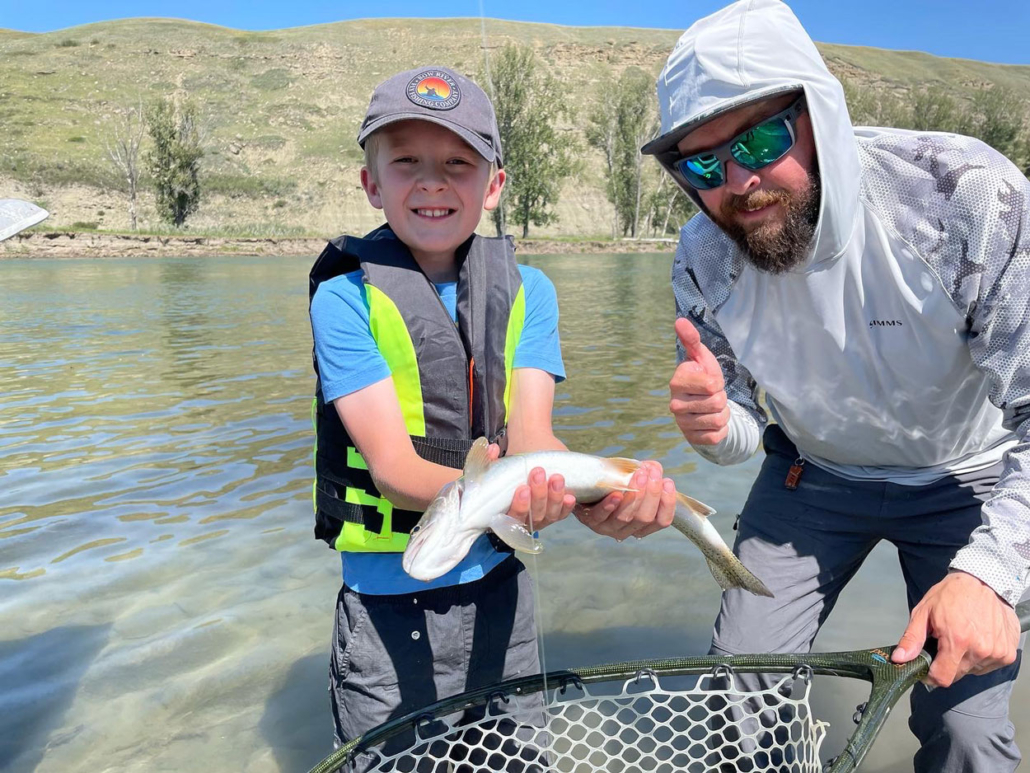
I’ve spent most of my adult life as a river guide, and I’ve seen all kinds of people come through the doors. Every now and then, though, there’s someone who catches me off guard with their enthusiasm for fly fishing. Usually, they’re kids. Six-year-olds with skinned knees who want to know how to tie on a dry fly because their uncle told them that he did it when he went fishing with his dad. This is great! Kids are the future of our sport, but if we want them to stick around for long enough to develop into lifelong anglers (or even just enjoy themselves for one weekend), we need to make sure that they have fun out on the water—and not just catch fish

Find a Mentor

You’ve probably heard the phrase, “knowledge is power.” With that in mind, it’s no wonder that so many people are interested in learning about fly fishing for kids. What your mentor has to say could be the difference between a good experience and an amazing one.

So how do you find someone who can teach you how to fly fish? You may be lucky enough to have a friend or relative who can help out. If not, consider joining a club or getting involved with an organization that promotes fly fishing for kids. There are many groups out there (like Trout Unlimited) that welcome new members every year and will encourage them to get involved as quickly as possible. If none of these options work for you, try asking around at local fly shops—they’ll know where all of their customers hang out, so they’ll likely have some leads!

Safety

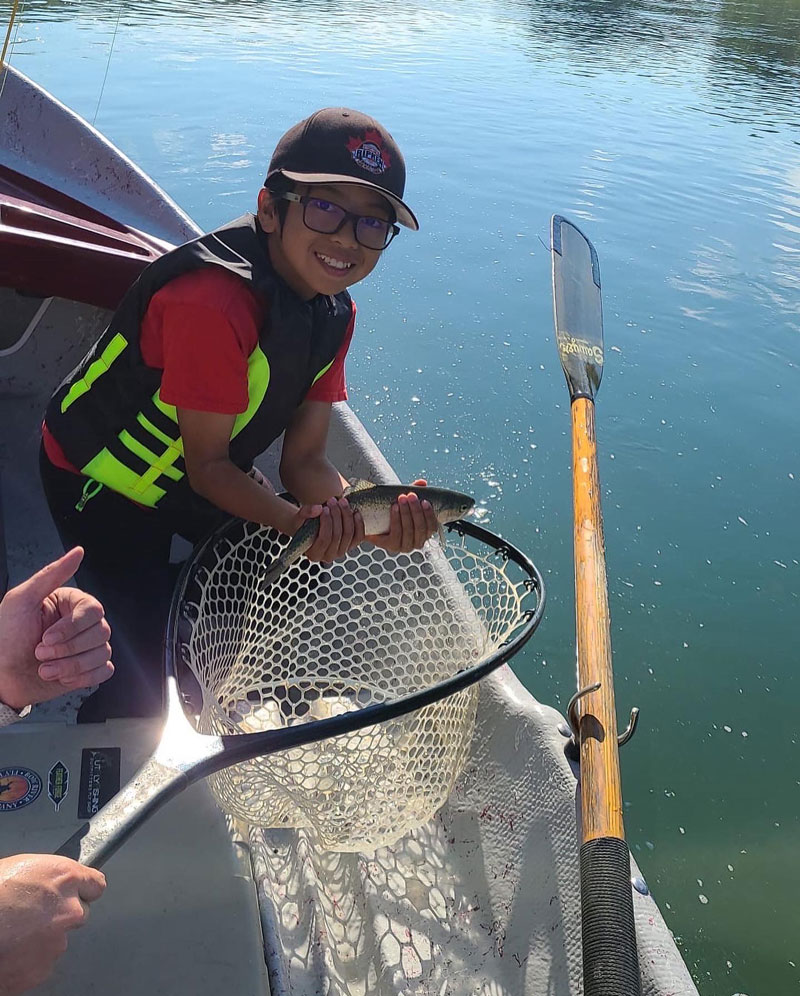
Know the area you’re fishing in. Everyone should wear a life jacket when on board a boat, and this goes double for kids. It’s also a good idea to put the kids in a life jacket if you’re fishing in swift moving water.

Be sure to take care of yourself as well: don’t forget sunscreen!

Be sure to stay hydrated and bring plenty of water with you. Make sure that everyone in your group has a life jacket on, and make sure that the boats are properly equipped with first aid kits, flares, and other safety gear.

Fishing License

Fishing licenses are usually sold at sporting goods stores, fly shops, and the like. You can also get a fishing license online. The cost varies depending on whether or not you’re a resident of that province. Be sure to check your local regulations.

Licenses generally last for one year from the date of purchase. Kids and Seniors don’t generally need a license, but if you’re the adult fishing with them, you’re going to need one.

Equipment

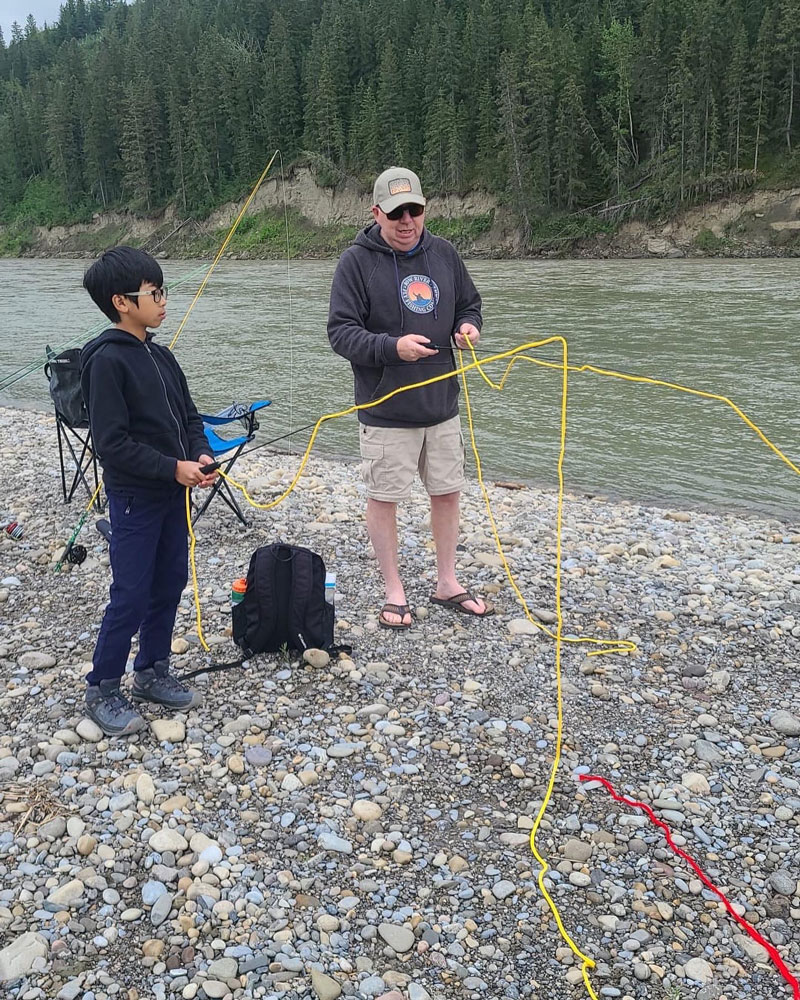
There are a few points to remember when selecting equipment for your child. The most important is that they’re going to be able to use it themselves, so make sure anything you buy is age appropriate and fits into the size of their hands. You don’t want them struggling with too many tangled knots or having too much trouble handling their gear for fear of dropping it in the water and getting frustrated while trying to get the cast right.

There are some great beginner kits available online and at your local fishing shop. For smaller hands we use the Echo Gecko kit. I don’t have any affiliation with Echo, but we love these outfits for kids. The grip is narrow, the rod is shorter than adult rods, and it’s easy to get the line moving. Your local fly shop can point you in the right direction. However, kids can certainly use adult gear easy enough. Especially when you’re testing the waters. If you’re not sure what kind of gear would be best for your kid yet, just ask an employee who knows their stuff at the store; they can help find something suitable without breaking the bank.

Knots And Tangles

Whether it’s a loop knot or a clinch knot, you’ll need some knowledge of knots to keep your line in place.

If you’ve never tied a fishing knot before and want to learn how, don’t worry! Knot tying is one of the easiest skills to learn how to do on the fly; it only takes a little practice and patience. Once you get the hang of it, there are all kinds of different knots that can help make your fishing trip more enjoyable and successful. With some basic instruction and practice, even kids can learn how to tie on their own flies when out on the water with parents or friends for an afternoon adventure!

There are going to be tangles, lots of tangles. Your job is to be patient and remind the kids, this is all part of the process. Make sure you have lots of leaders, tippet and a pair of good snippers!

What to Bring

  • Rod
  • Leaders and Tippet
  • Flies
  • Waders (if you need them)
  • Boots or wading shoes. They’re going to get wet.
  • Bug Collector. Collect the bugs you’re imitating and make it educational.
  • Rain gear
  • Snacks and drinks

Fly fishing is a great family activity. It’s good for bonding, learning something new, and getting outside.

Fly fishing is a great family activity. It’s good for bonding, learning something new, and getting outside. In fact, there are many ways to enjoy fly fishing as a family:

  • You can teach your kids how to hold the rod correctly and give them some basic pointers about casting and then let them experiment. There are no bad casts.
  • Go where you know fish are holding. It’s great if they can see the fish. This creates a great opportunity to learn about fish behavior.
  • Focus on the process and learning something new. The fish will come.

Conclusion

Fly fishing is a great family activity. It’s good for bonding, learning something new, and getting outside. I hope this article gave you some ideas on where to start! We have lesson programs and family floats that will help accelerate the learning curve. We’d love to introduce you and your crew to our sport!

Book your flyfishing adventure today!

Discover Fly Fishing Lessons for Beginners in Alberta

By Scott Smith, Lead Fishing Guide 

Welcome to Fly Fishing!

Snake Oil and Magic Beans.

You’ll learn to wave the magic stick over the water and produce fish on every command. You will be flawless in your technique; always make the right fly choice and land every fish you encounter. Your skills will bring fish to your net every time you venture out to your favourite waters.

The truth lies somewhere in the pursuit of perfection, the peace it brings, the need to know what’s around the next corner.  At least that’s why I do it. Your reasons can be entirely something else. Somehow, that makes Fly Fishing a worthy pastime (read obsession) in my opinion.

There are some links included below, so you can explore some of the technical stuff. I can tell you, there is nothing like the real experience of a guided fly fishing excursion!

What Will I Learn on a Guided Trip?

Above all else, Have some fun! This is YOUR Day! Don’t take yourself, or us too seriously. Take lots of pictures.

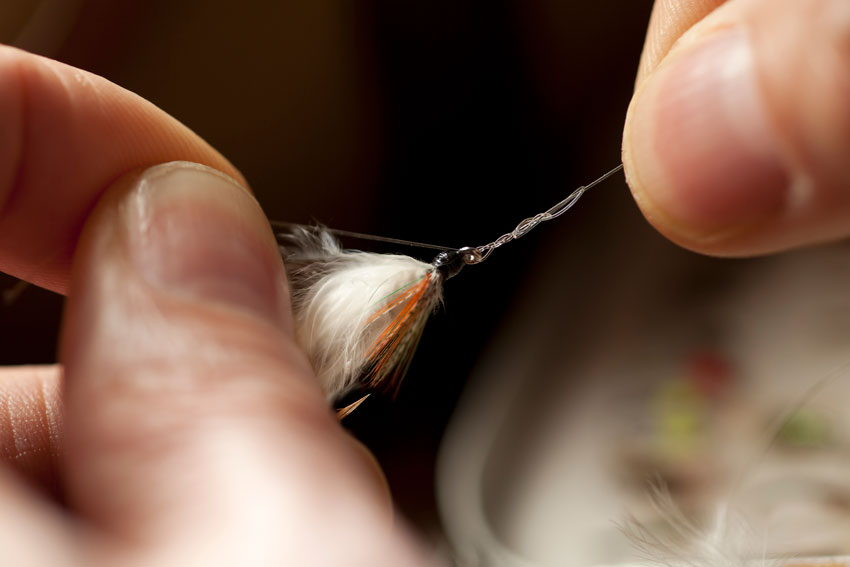
learn how to tie flies for fly fishing on the Bow River in Alberta.

Fly Fishing Knots and Line

It seems obvious, but often overlooked by new fly fishers. Knots are critical.

Read this great blog post from DriftHook.com about how to tie fly fishing knots.

You’ll need to have a few basic knots in your tool belt. We’ll show you a few basics to tie line together and attach your flies to your line. Yes, you will practice these on your trip.

You can learn about specific knots like the improved clinch knot, blood knot, overhand knot, surgeon’s knot and the albright knot.

Many a fine trout has been lost due to a poorly tied knot. It’s never happened to me, but I’ve heard stories.

There are several knots that have no name, but often have colourful adjectives associated with them. You will become an expert at these with a simple flick of your wrist! The line will be tangled so badly and quickly, you’ll be baffled that what’s before you is actually even real!

I find a sense of humour and a decent set of snippers are critical in these situations.

Learn Fly Casting

You must be able to place a fly well enough to fool your quarry. Yes, we can help you do this!

Your first few casts may appear you are trying to swat the fish away intentionally. However, with some practice and some easy-to-follow instruction, you will begin to present the fly with hypnotic precision! Well, maybe not hypnotic or even precise, but well enough to catch fish. That’s all we need on day one!

Where Are the Fish?

Yes, you are moving the line. It’s obeying and landing mostly where you want it to.  Well done! This is fantastic news and a boost to our confidence! Question, how come you’re not catching anything?

Other than seeing the fish you are casting to; you really need to know how to read the water. That is, you need to know where fish are likely to hold.

Fly casting into the water is an excellent start, but the fish are not actually everywhere in a river.

We will go through this process with you the entire trip and teach you the basics. You will be whispering in big trout in no time!

Bugs, So Many Bugs

Yes, Fly selection is important. Size, Colour, Profile, depth, season etc.

I have heard it or read somewhere that trout have an IQ of about 3.

I am not at all concerned that they fool me consistently. I like to believe I’m matching wits with Mother Nature and not just the small minded, single purposed trout. Yeah, Mother Nature is wise and I’m in sync with her.  Makes me feel better on those slow days.

You’re gonna need plenty of flies! I mean, the rainbow trout will eat one of them, right?

Learn more about which bugs Bow River Trout love and prefer throughout the season on our fly fishing resources page.

We will cover bug identification, selection and how to fish them in very basic terms. This will be enough to get you started on your journey.

fly fishing lessons for beginners

 Join Us this Fly Fishing Season near Calgary, Alberta!

Our goal is to introduce you to a pastime that has become a lifelong pursuit for us. We want you to learn to fish and then leave us and see for yourself what’s around the next corner. Oh, and take your fly rod with you.

Book your spot for one of our guided fly fishing trips including our Beginners Float! Get one-on-one fishing lessons from one of our experienced guides and enjoy access to some of the best fishing spots in Alberta.

learn how to fly fish with guide bow river

Fly Fishing Lessons and More!

We offer a variety of fly fishing packages from half day and evening adventures to full day excursions, private shoreline fishing lessons.

We can even put the flies aside and take you on a Bow River sight seeing adventure, where you can experience the beauty of the Bow Valley and Southern Alberta, for its majestic landscapes in the foothills of the Rocky Mountains and all of its wildlife.

Learning to Fly Fish on the Bow River could be your next adventure. If so, we’d love to see you. And as always, if you have any questions about our guide services, feel free to contact us here or on social media.